Island Ugljan
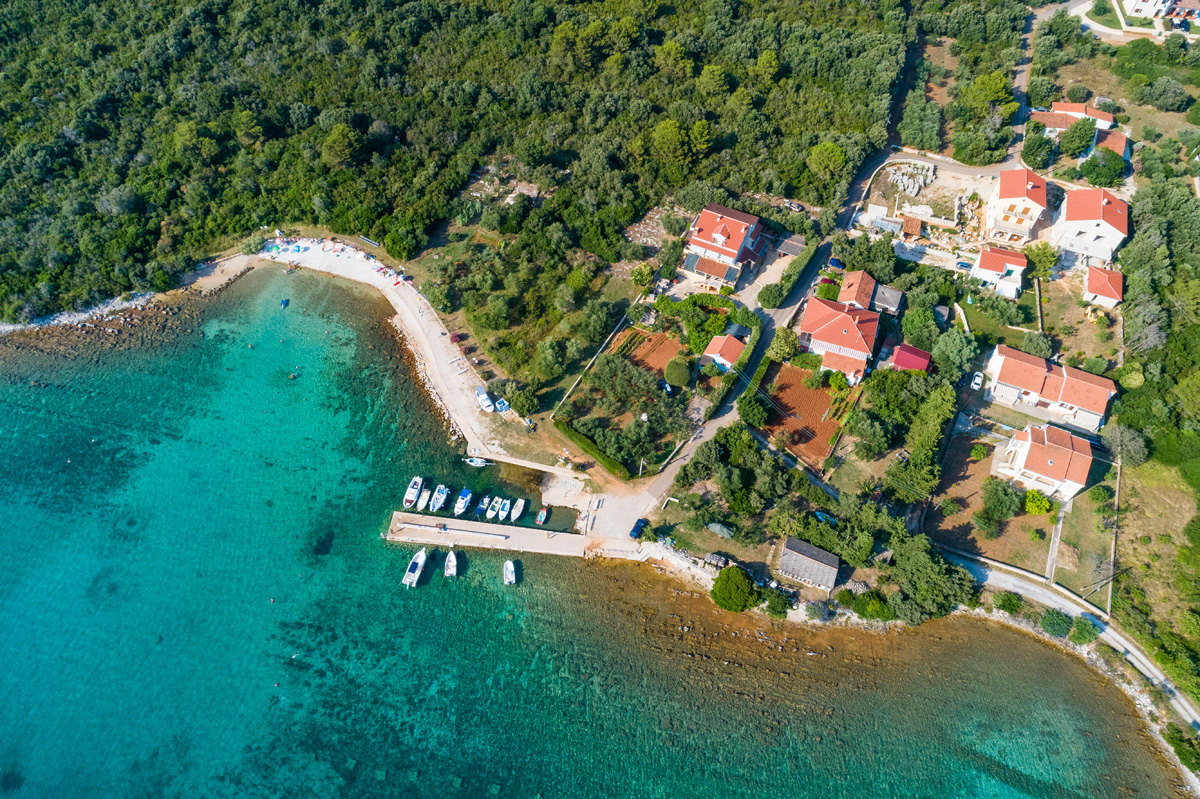
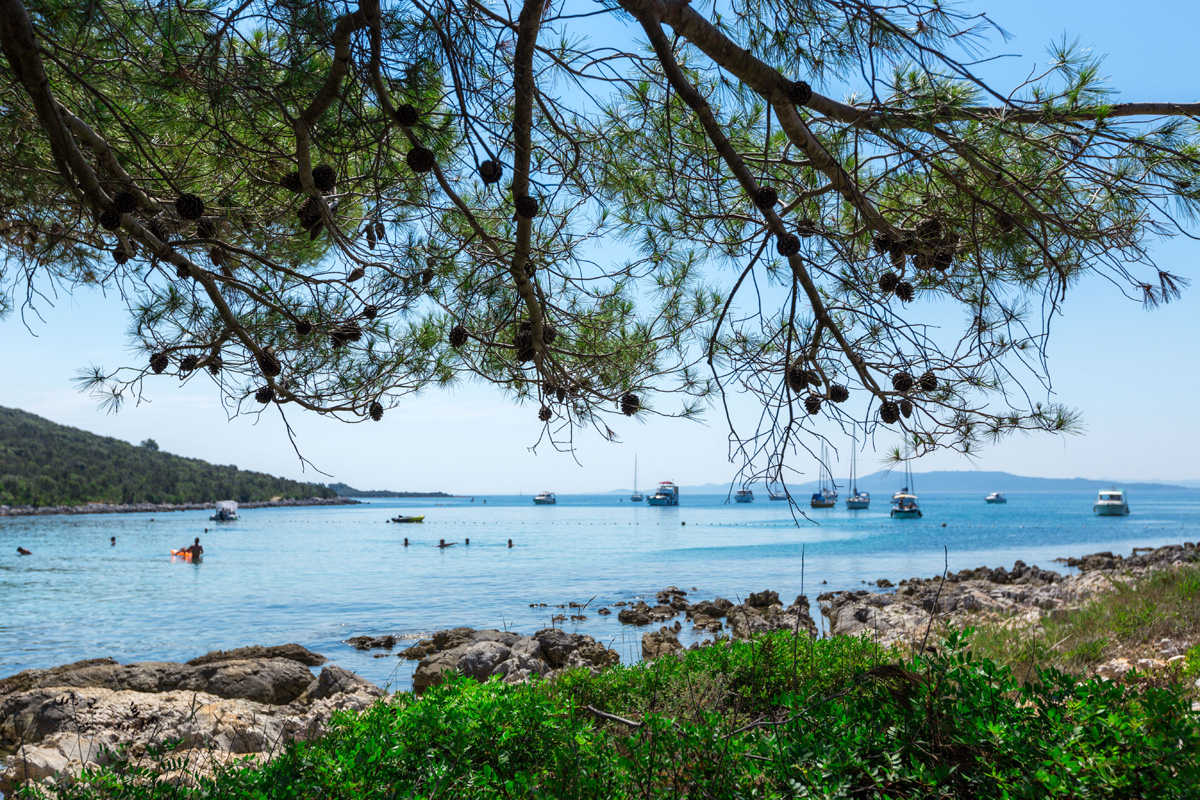
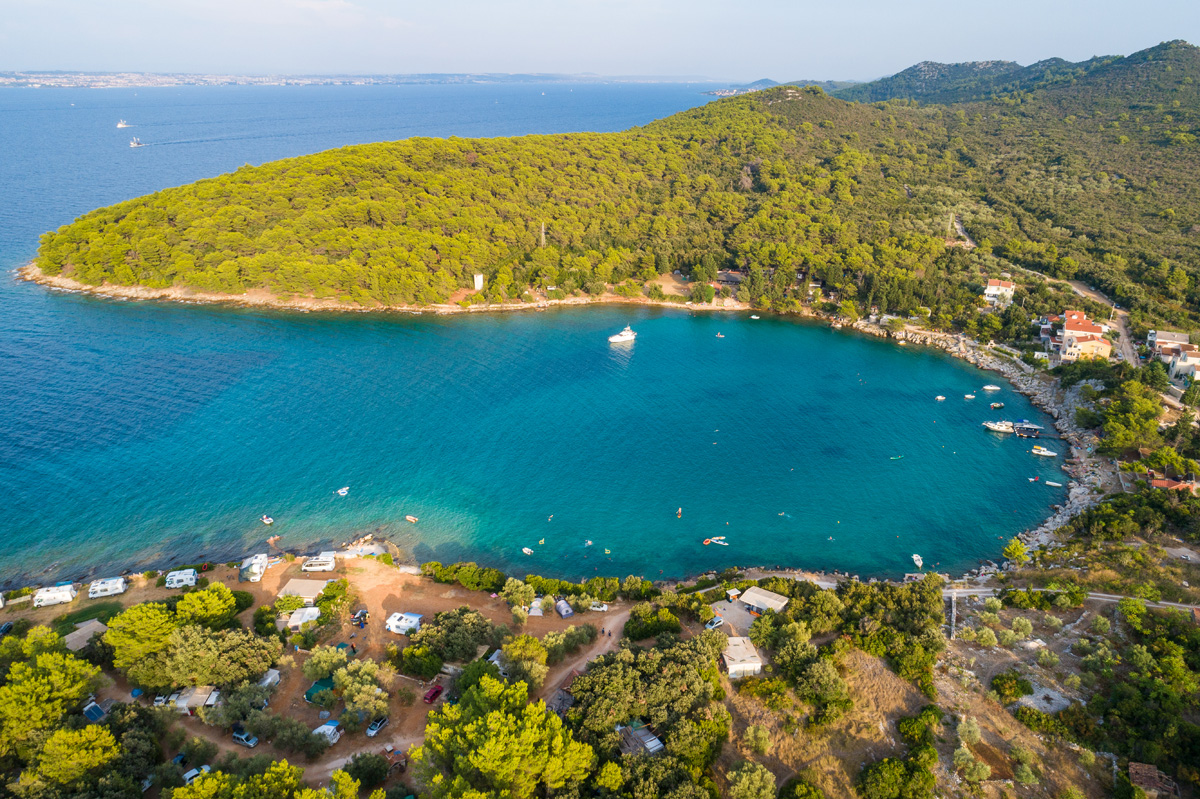
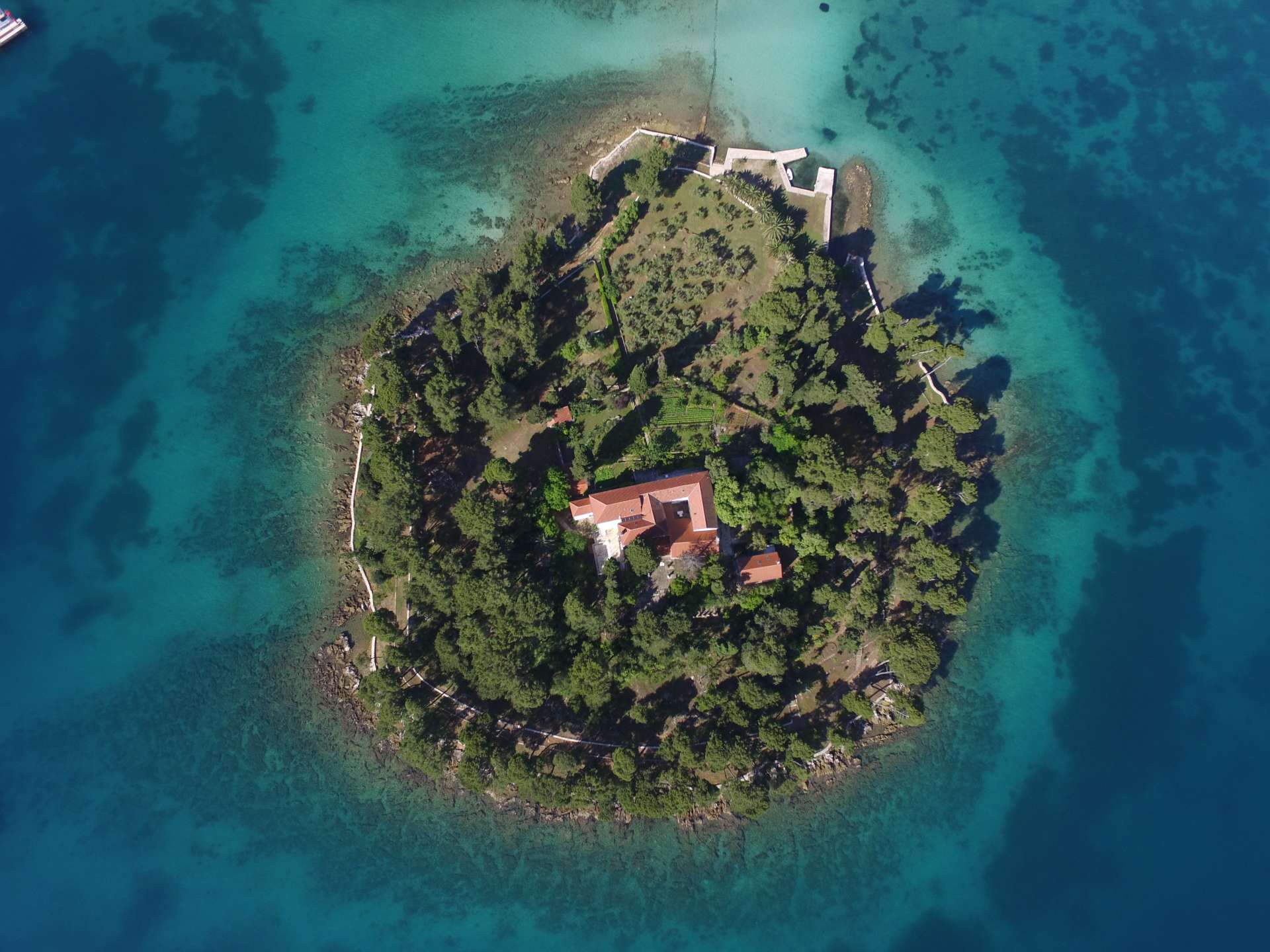
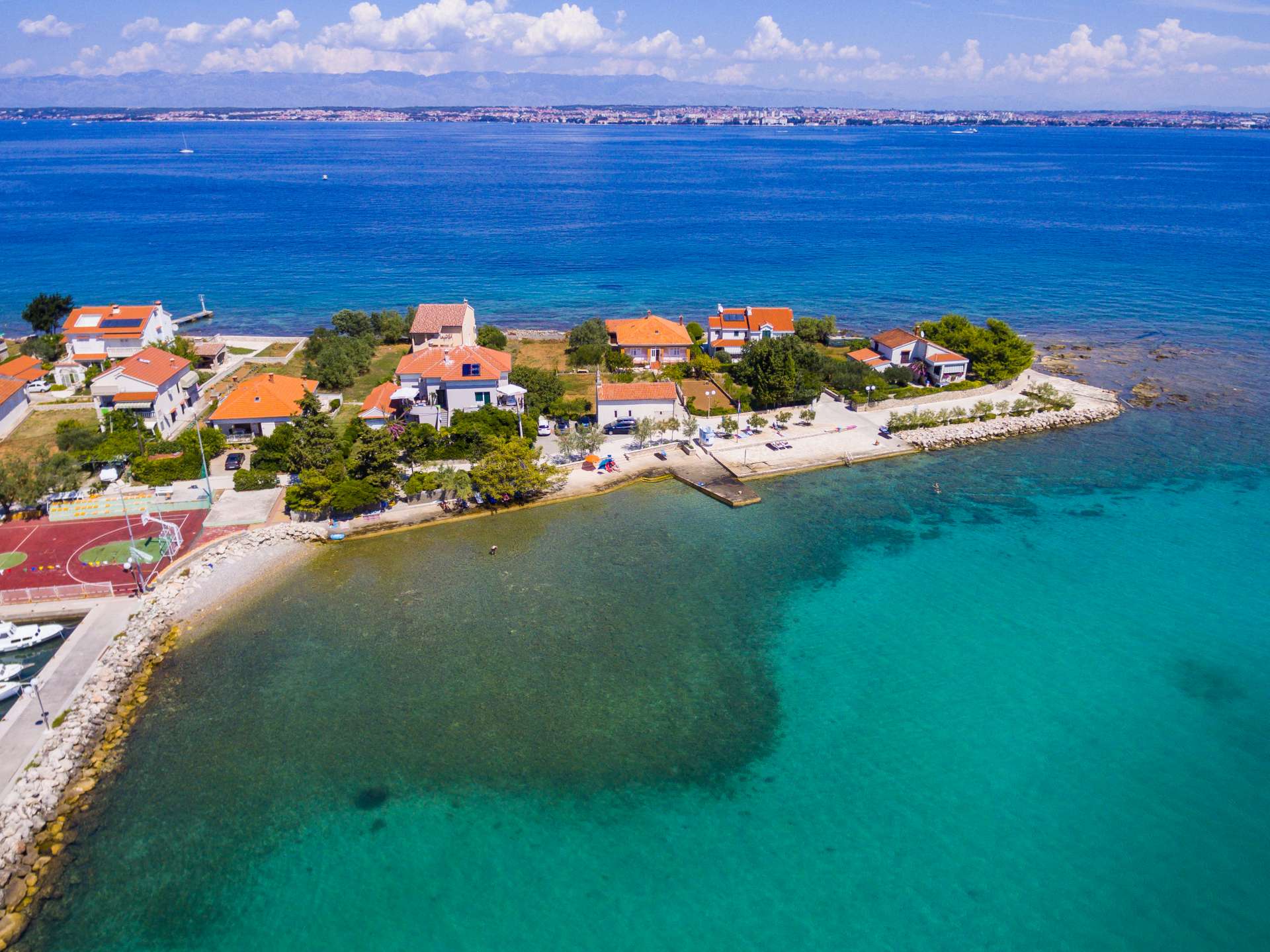
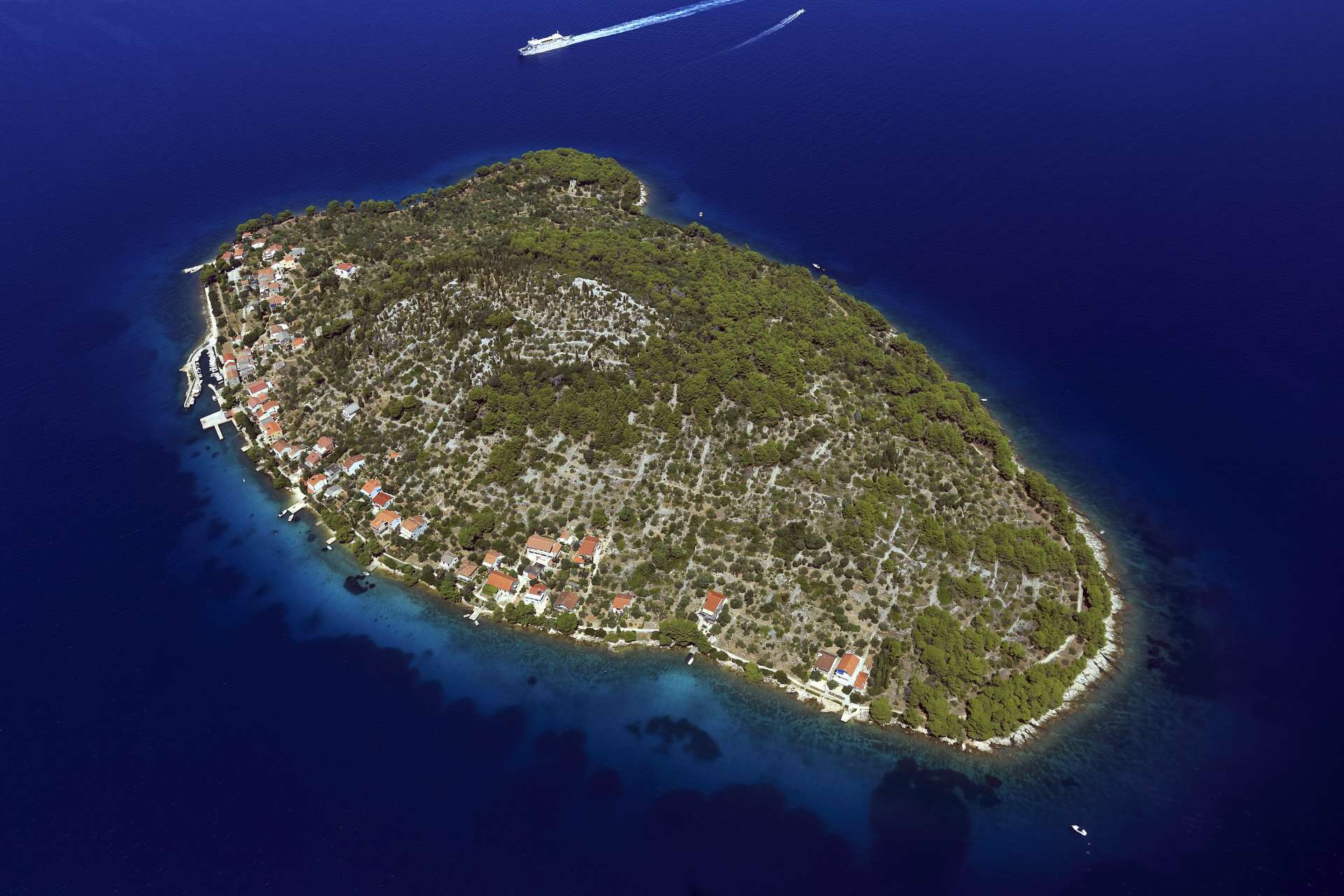
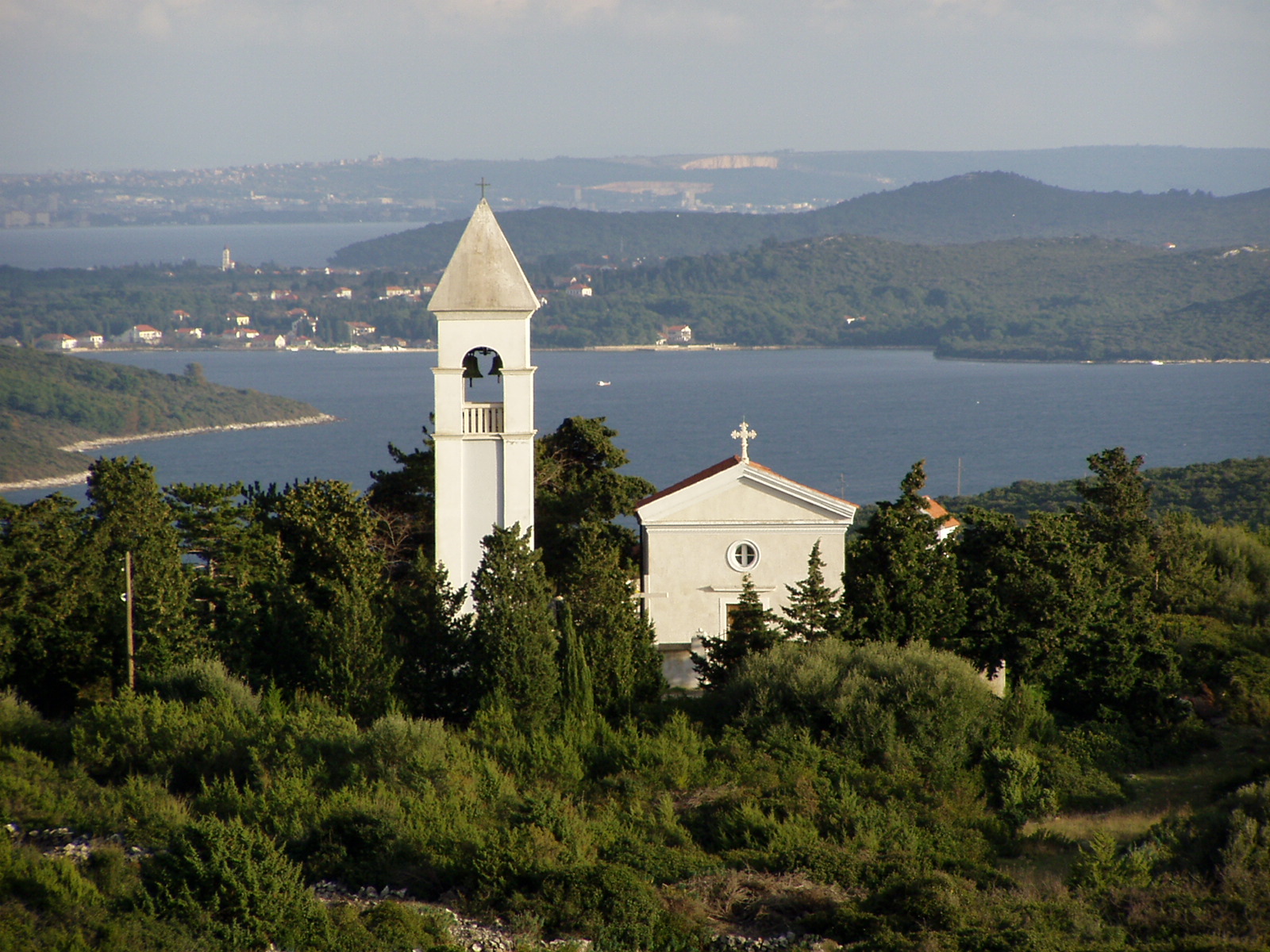
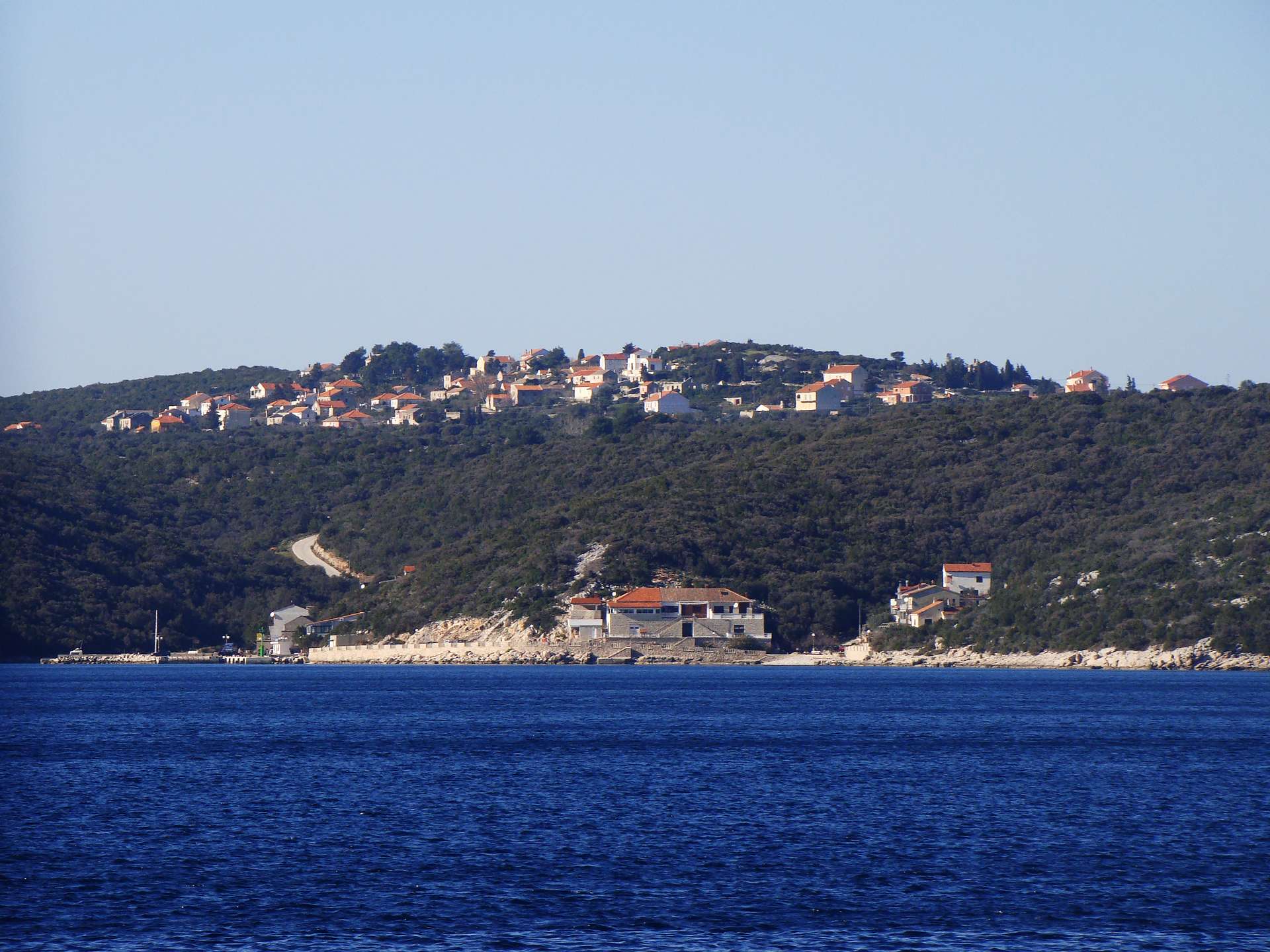
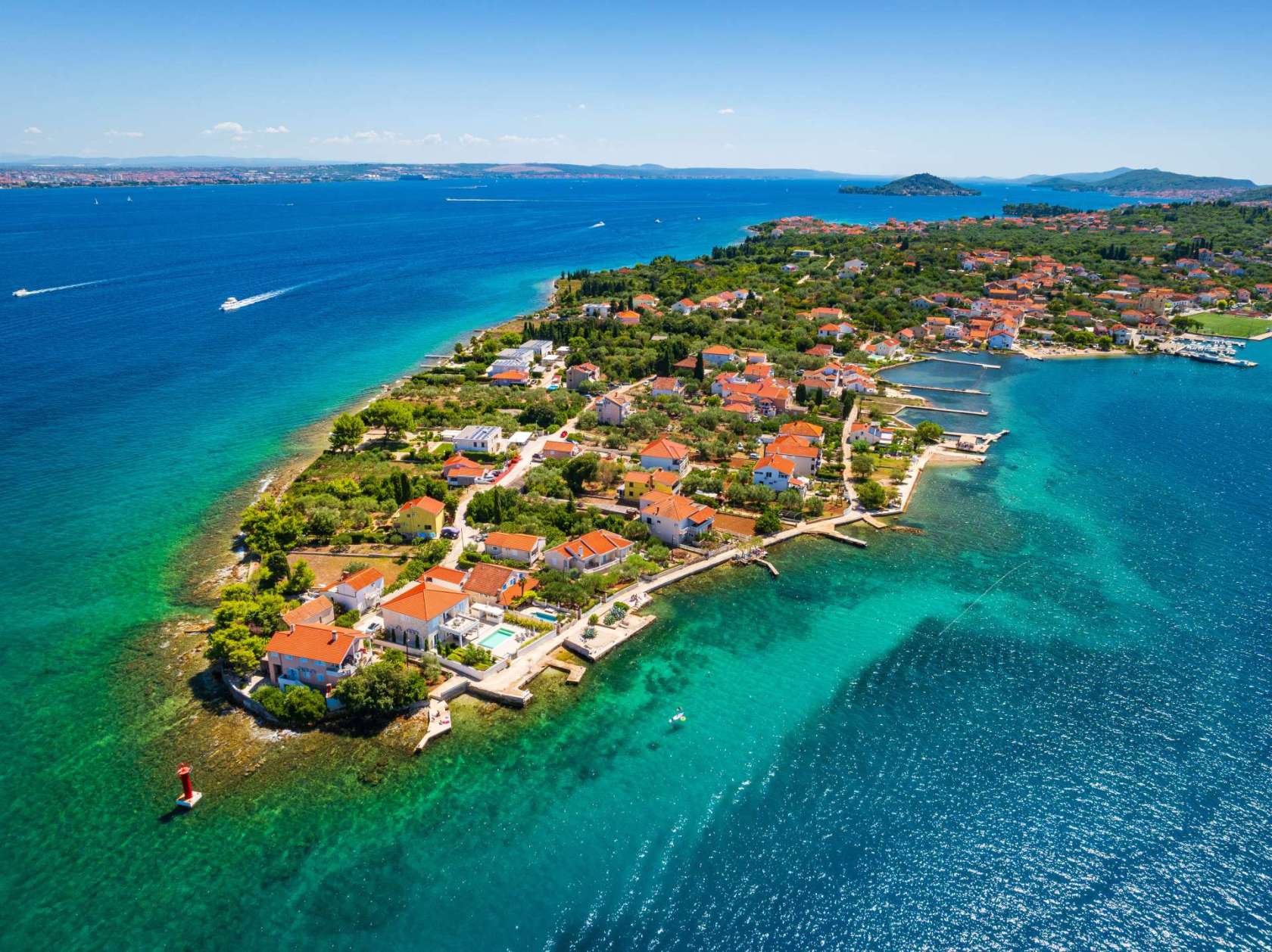
The island of Ugljan has always been a pitoresque oasis attracting those seeking rest and relaxation. It boasts excellent transport connections with Zadar, the cultural and administrative centre of Zadar County. The island can be reached by private vessels or by boat/ferry operated by the national ferry company Jadrolinija. The journey takes about 15 minutes, so it should come as no surprise that the island of Ugljan is considered a suburb of Zadar. Spanning 50 square kilometers , Ugljan is made up of seven picturesque villages: Kukljica, Kali, Preko, Poljana, Sutomišćica, Lukoran i Ugljan. Administratively, the island of Rivanj and Sestrunj form a single entity with the municipality of Preko.
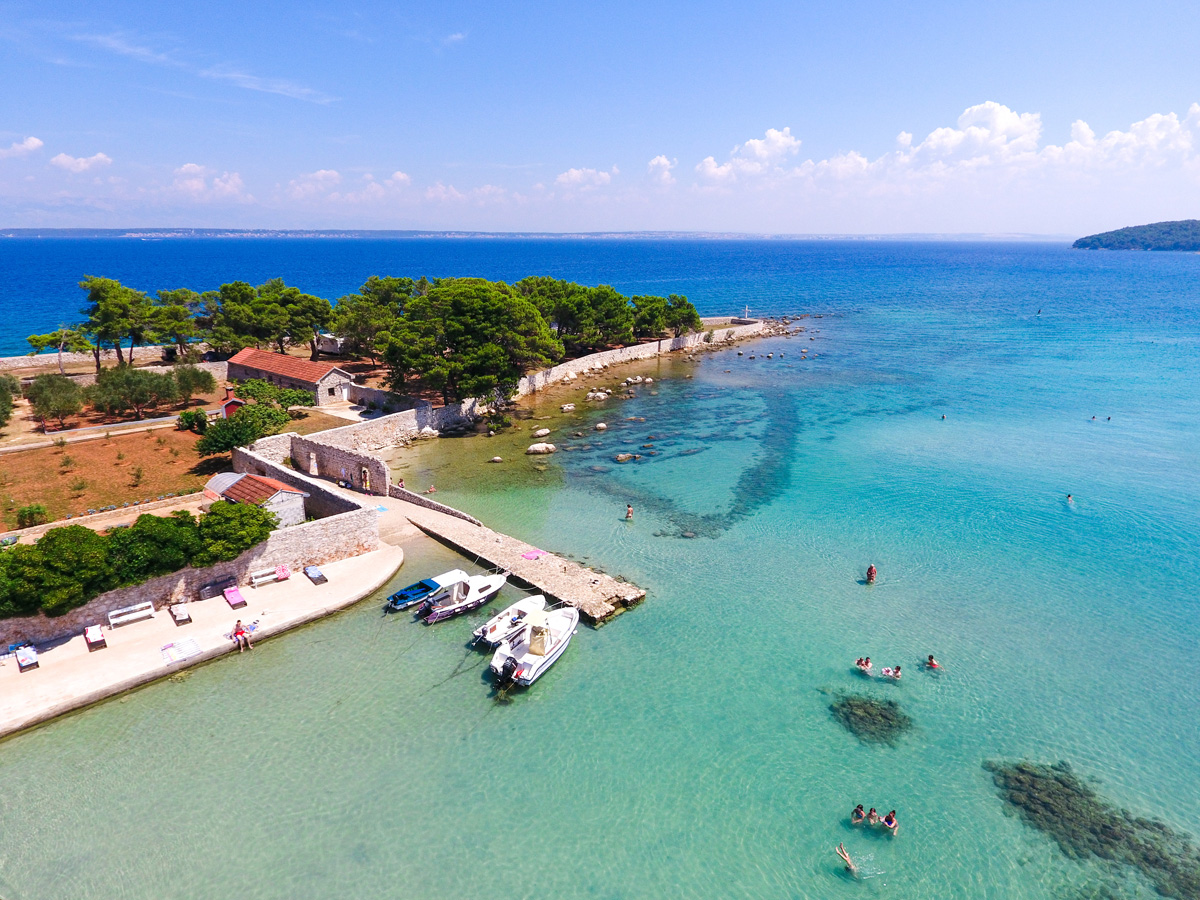
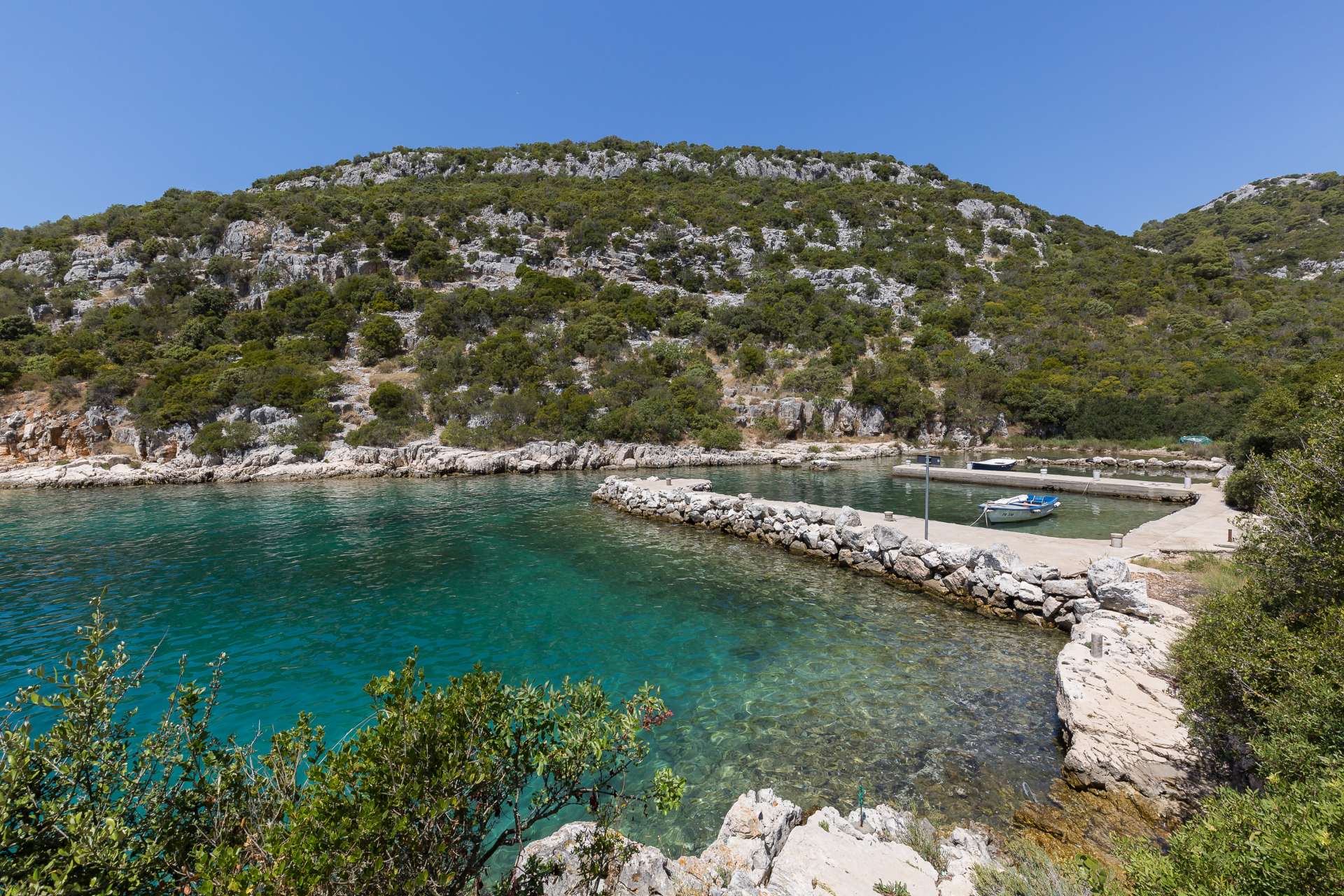
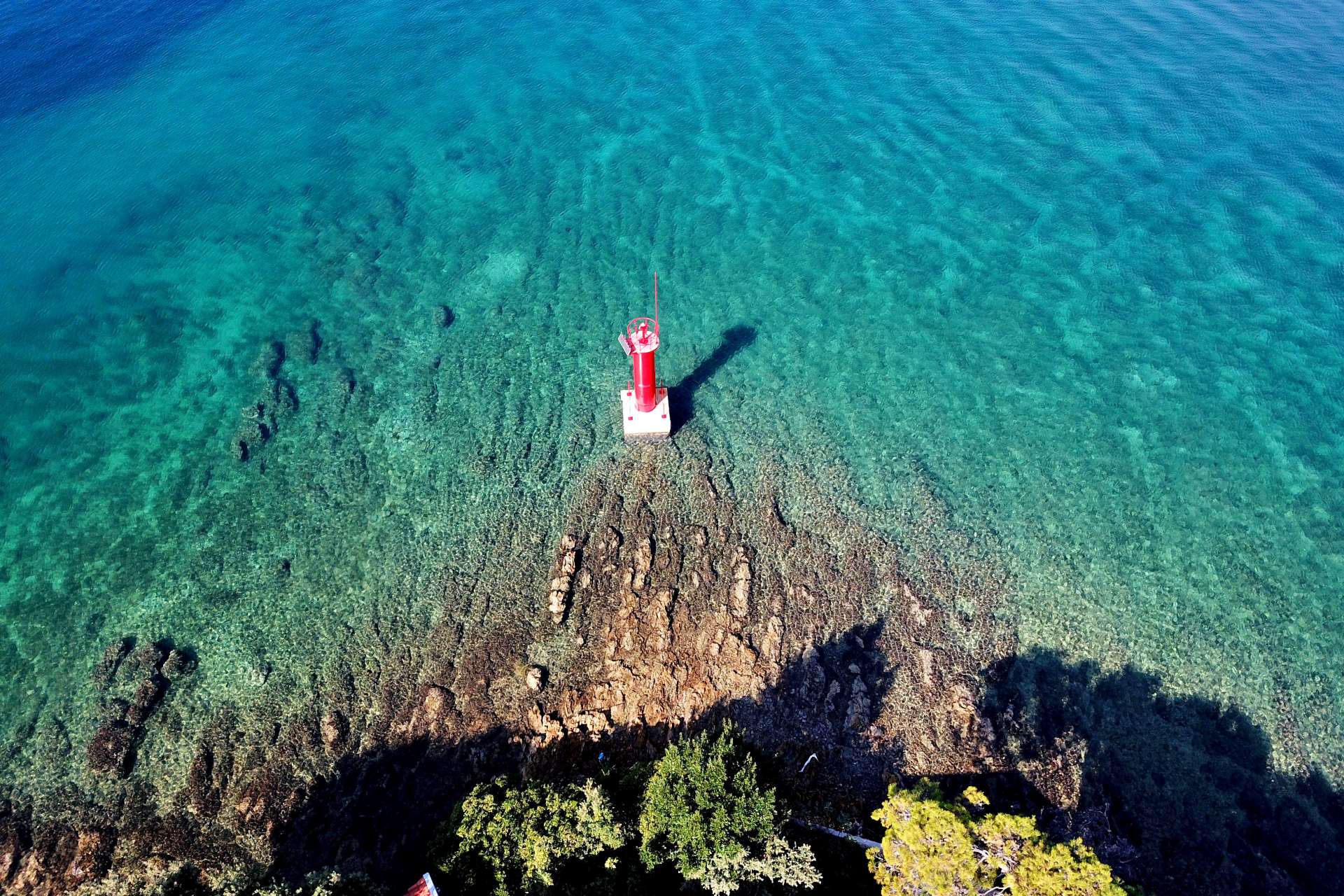
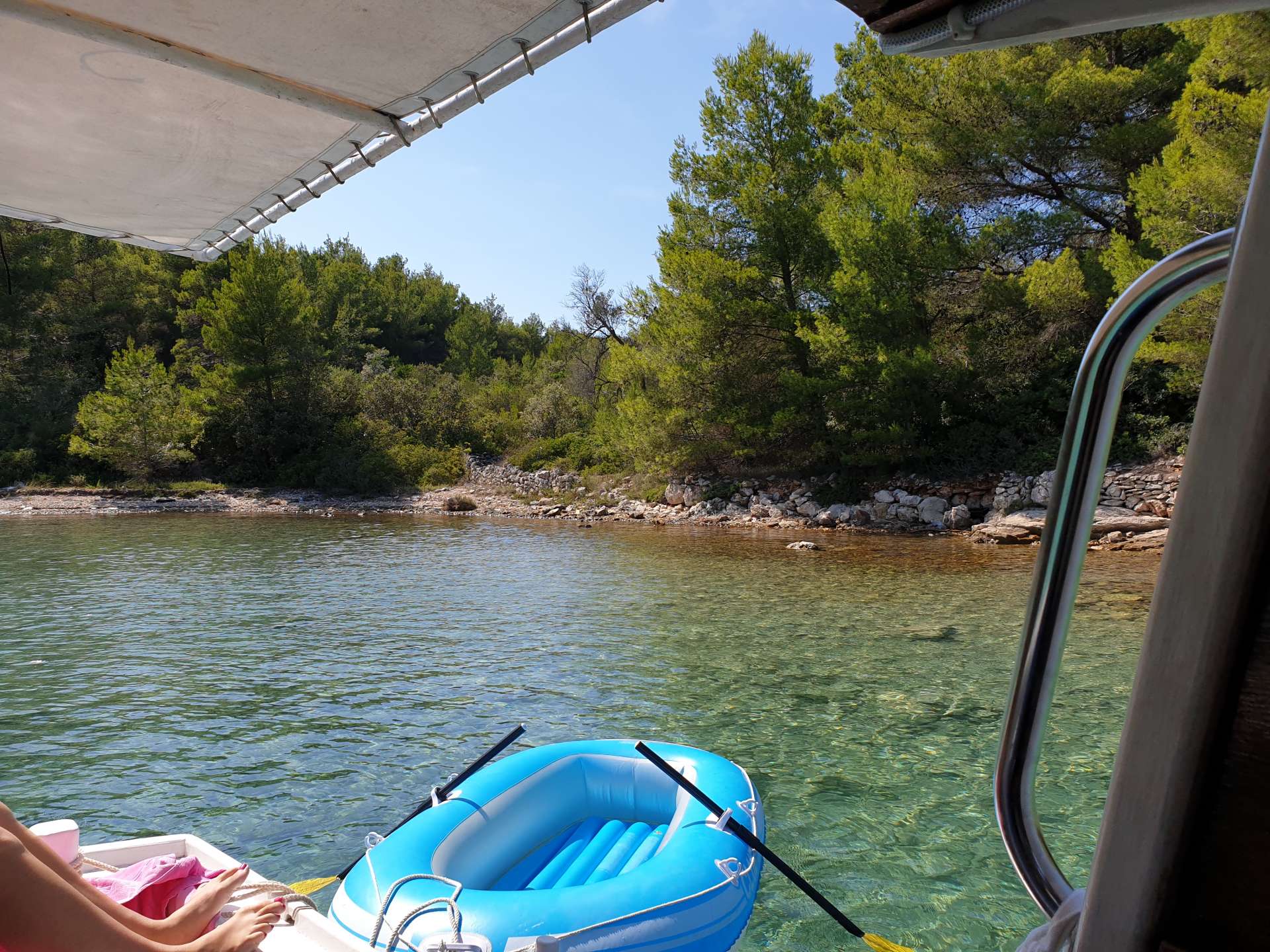
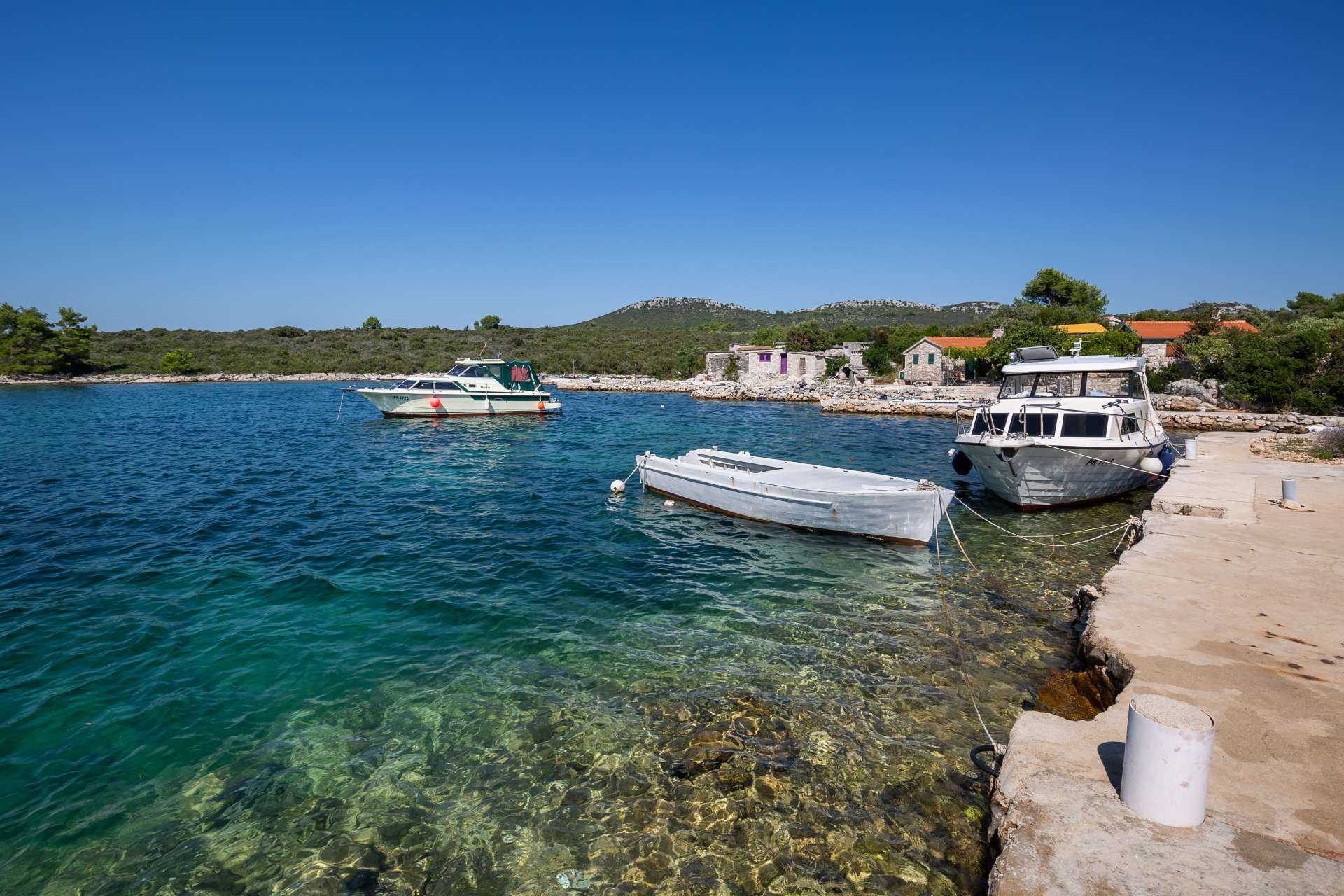
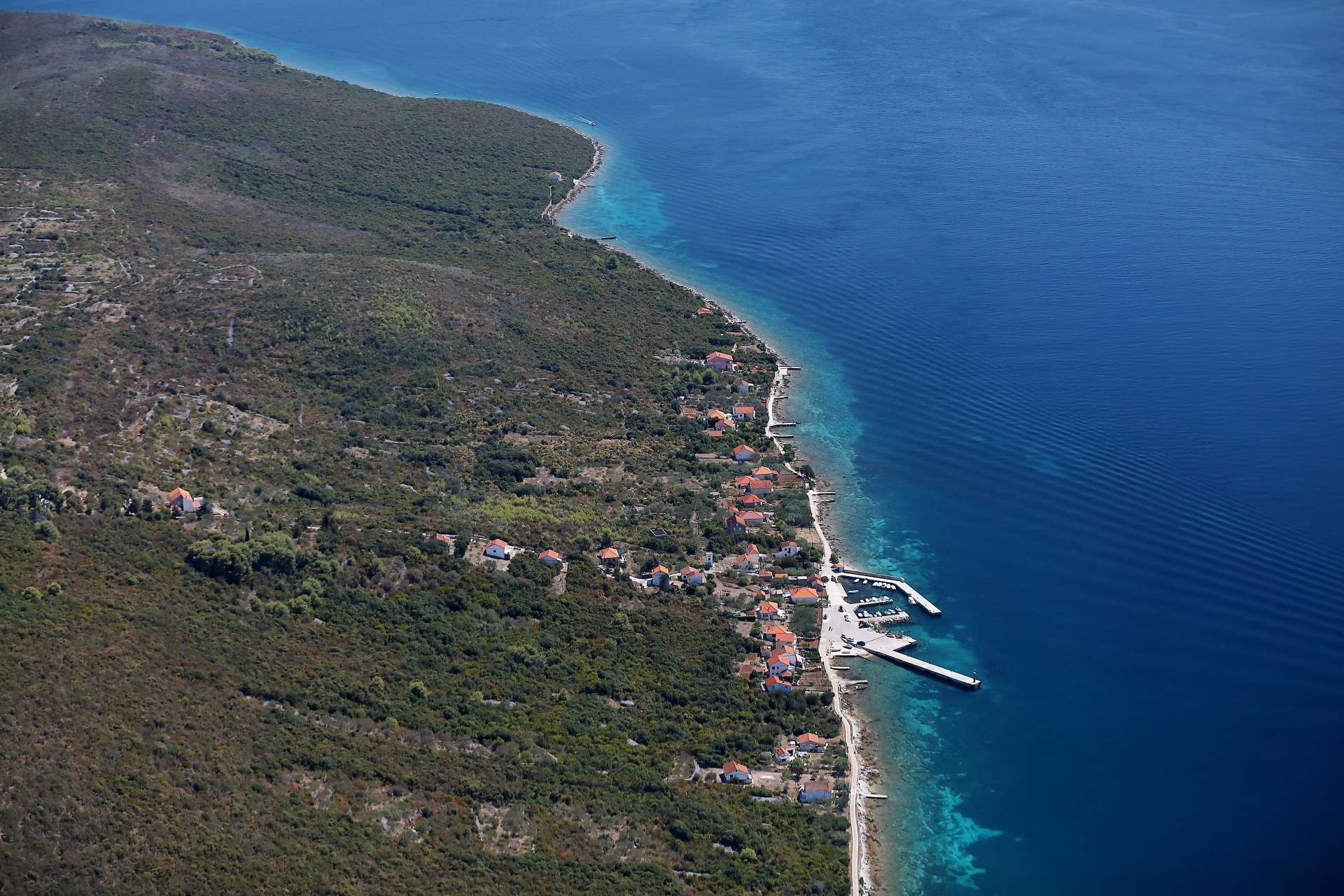
This ever-green island, covered with olive groves, with idyllic bays and picturesque small fishing ports, for generations has been tied to the sea, seafaring and fishing, and more than 2000 years of olive cultivation have left thousands of olive trees yielding oil of exceptional quality and aroma. The other side of the island is mostly steep and uninhabited. Due to the accompanying bays, islands and rich undersea, it is a real challenge for divers and sport fishermen. The undulating plateau in the interior of the island is streaked with tens of kilometres of hiking and biking trails, and the colours, scents and panorama are an unforgettable picture for every passer-by.
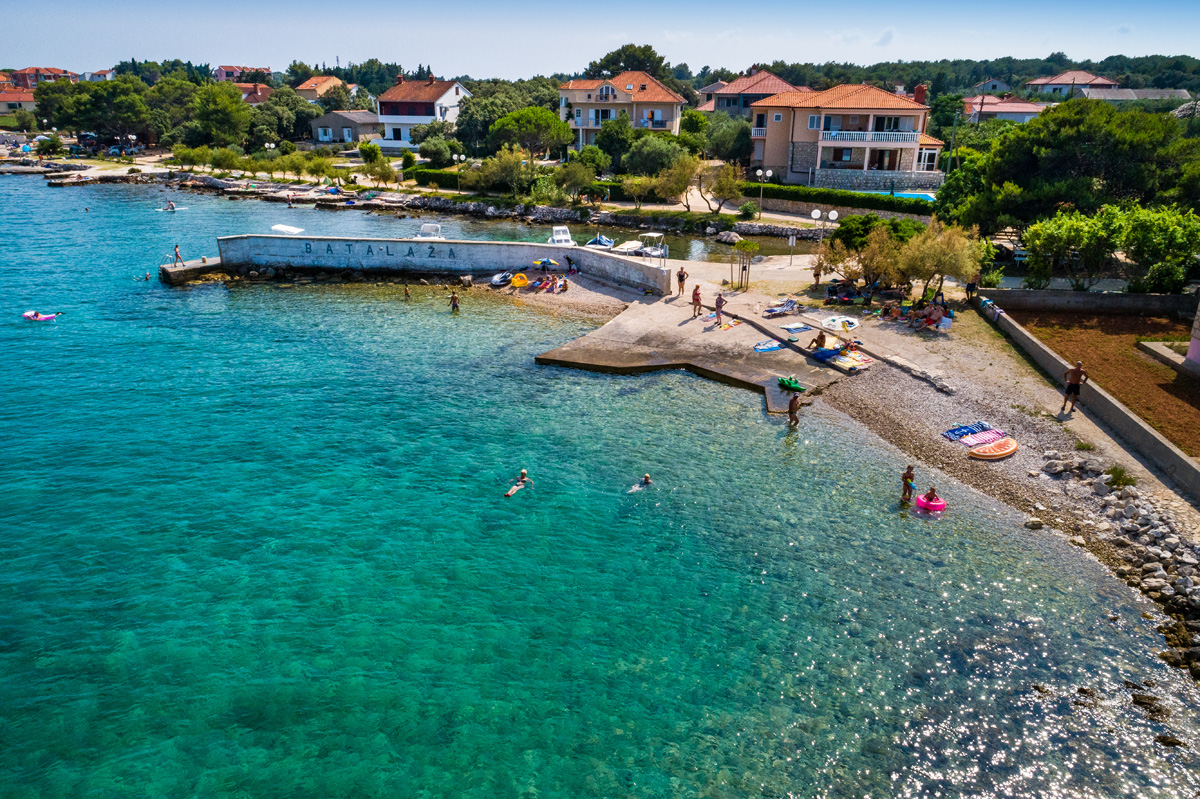
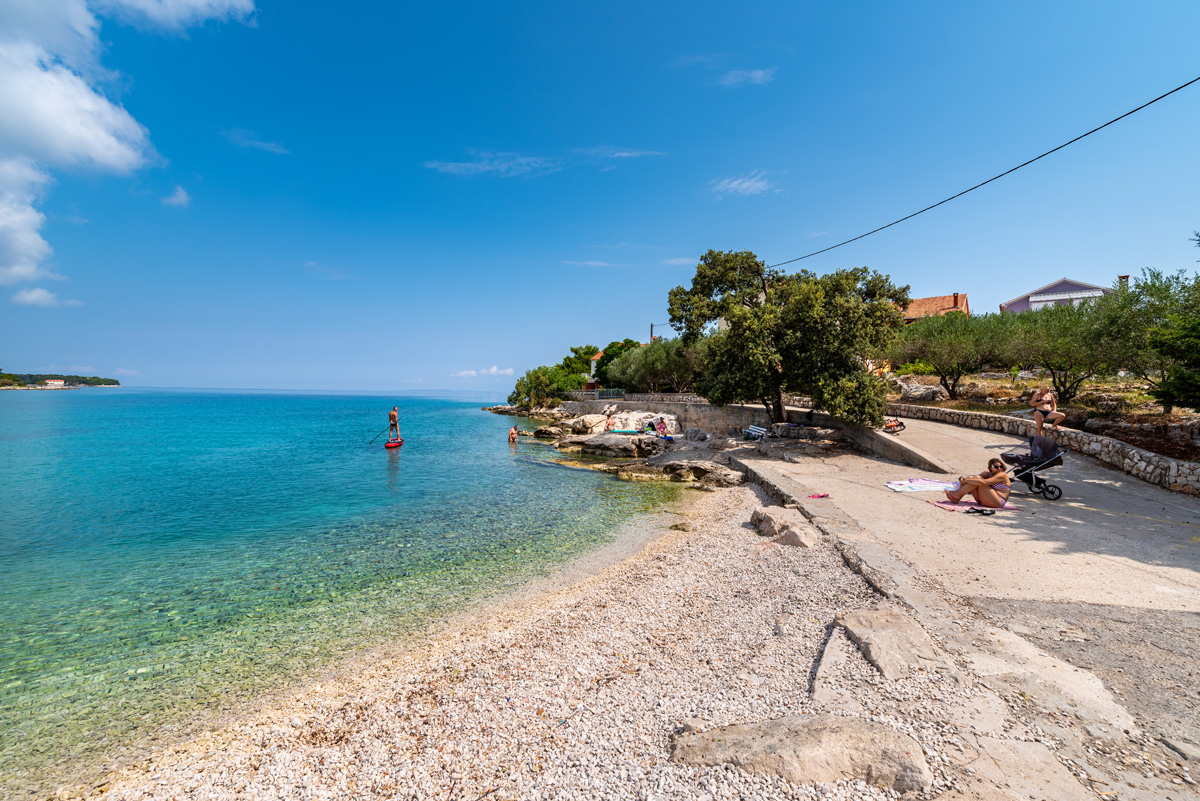
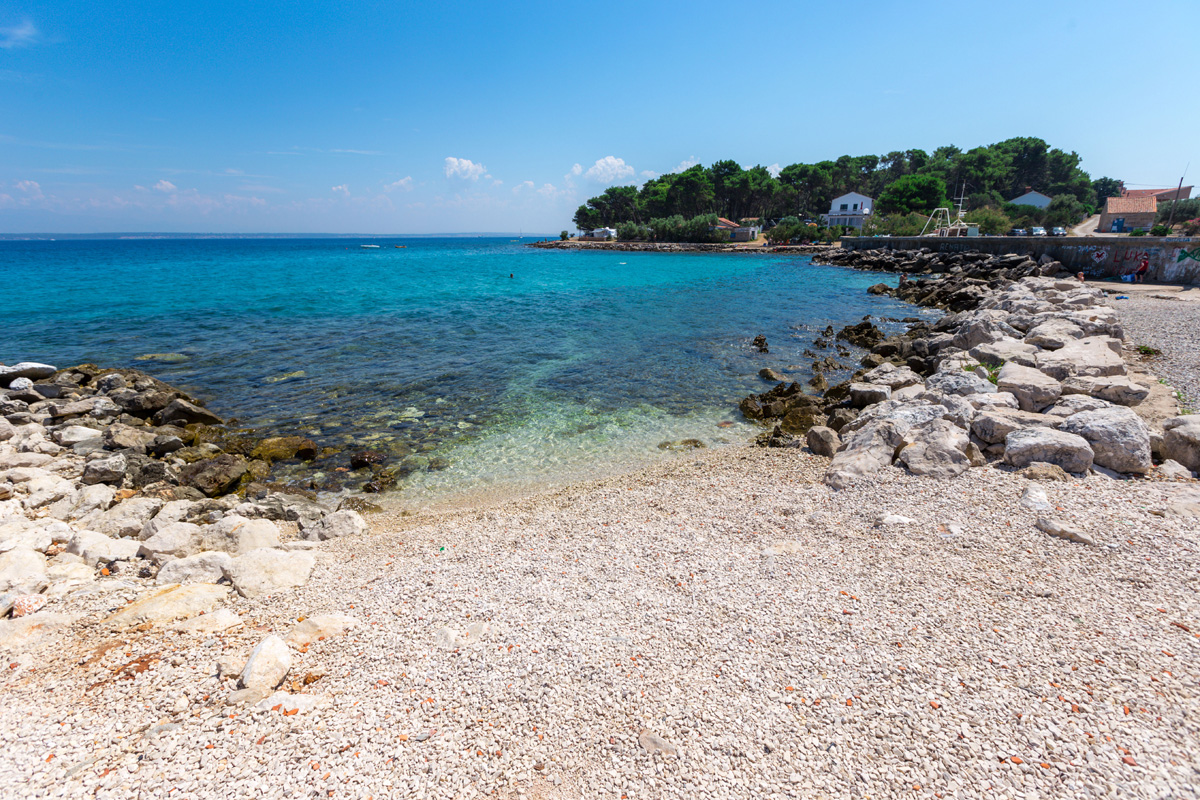
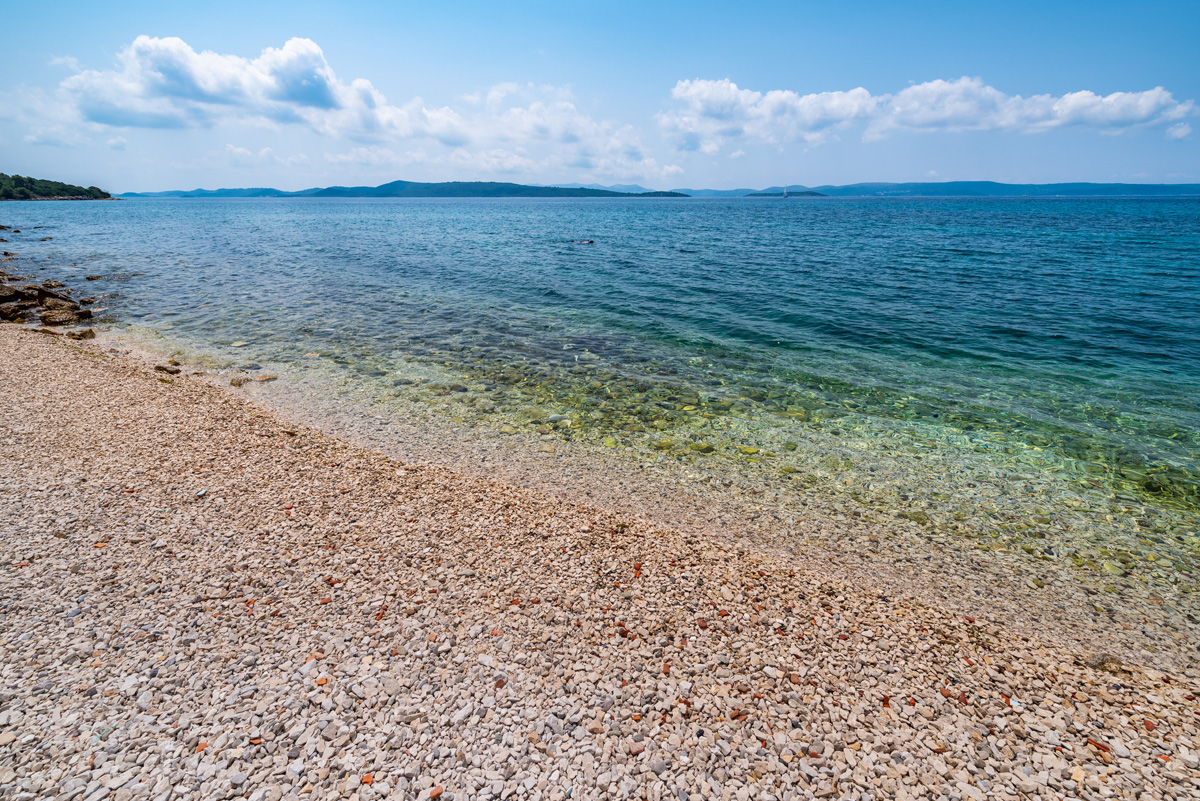
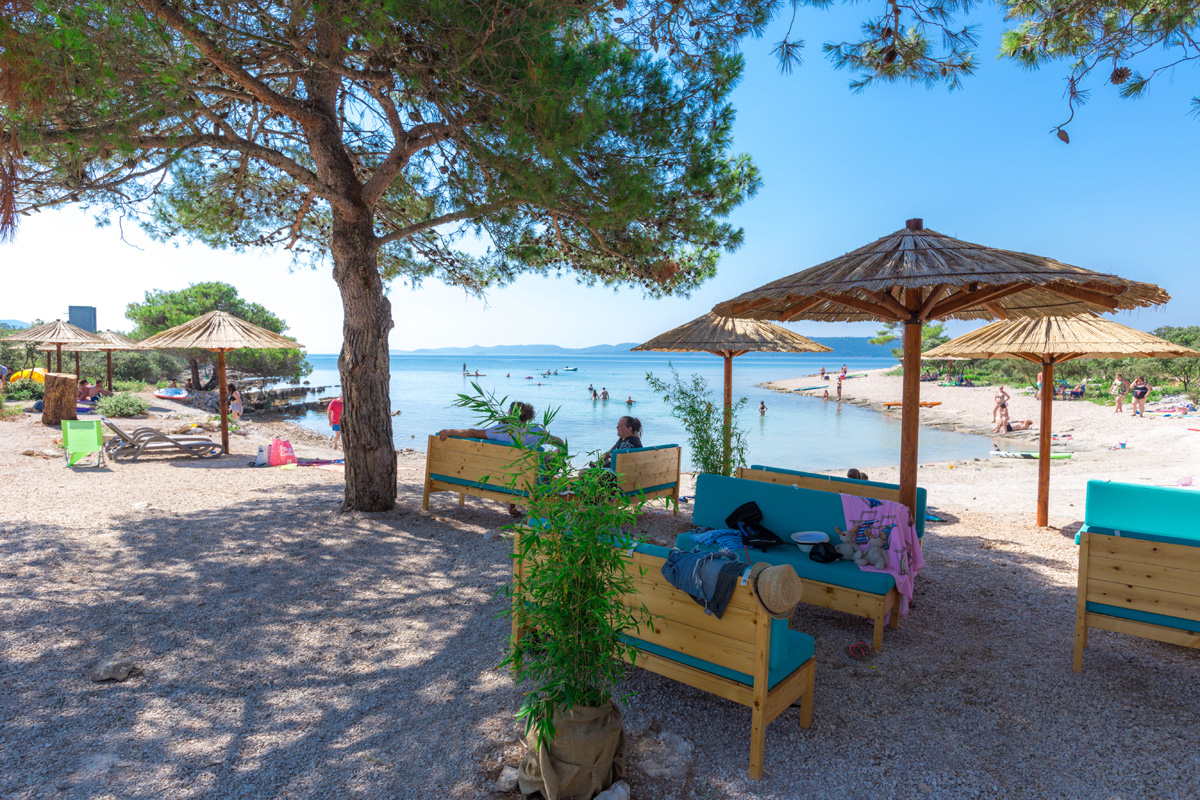
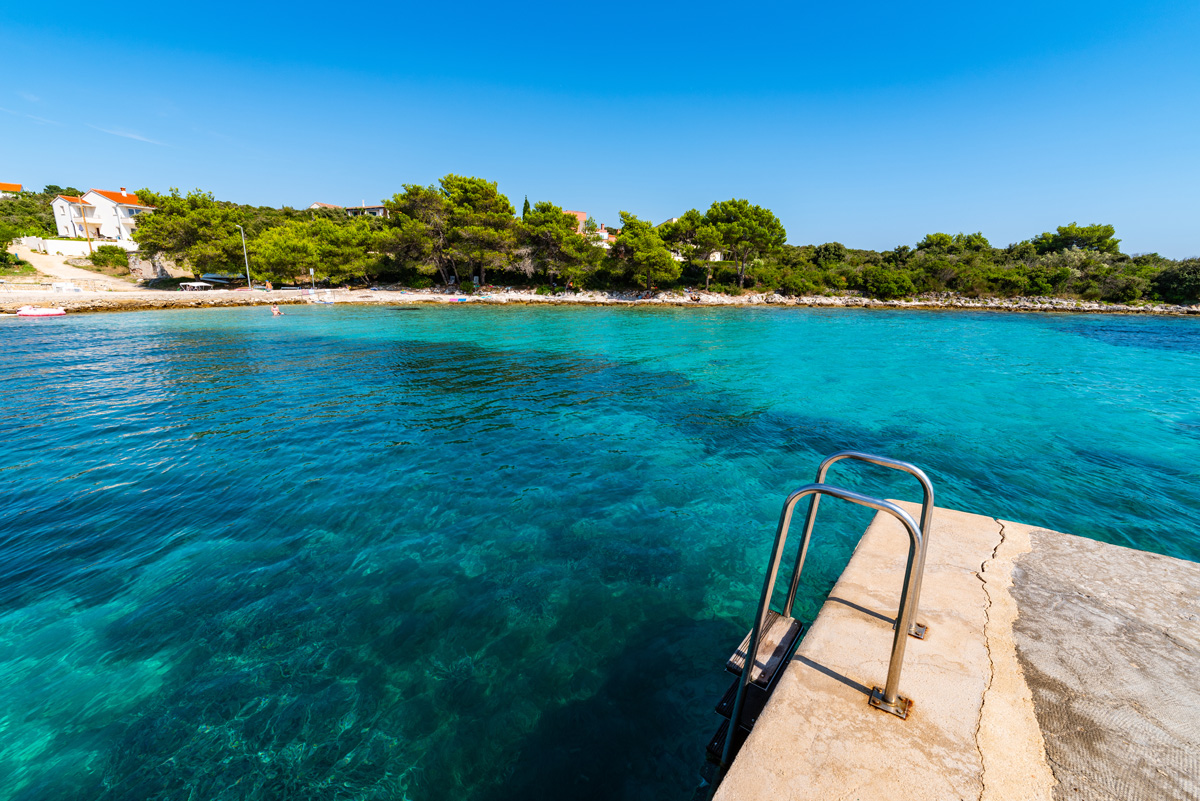
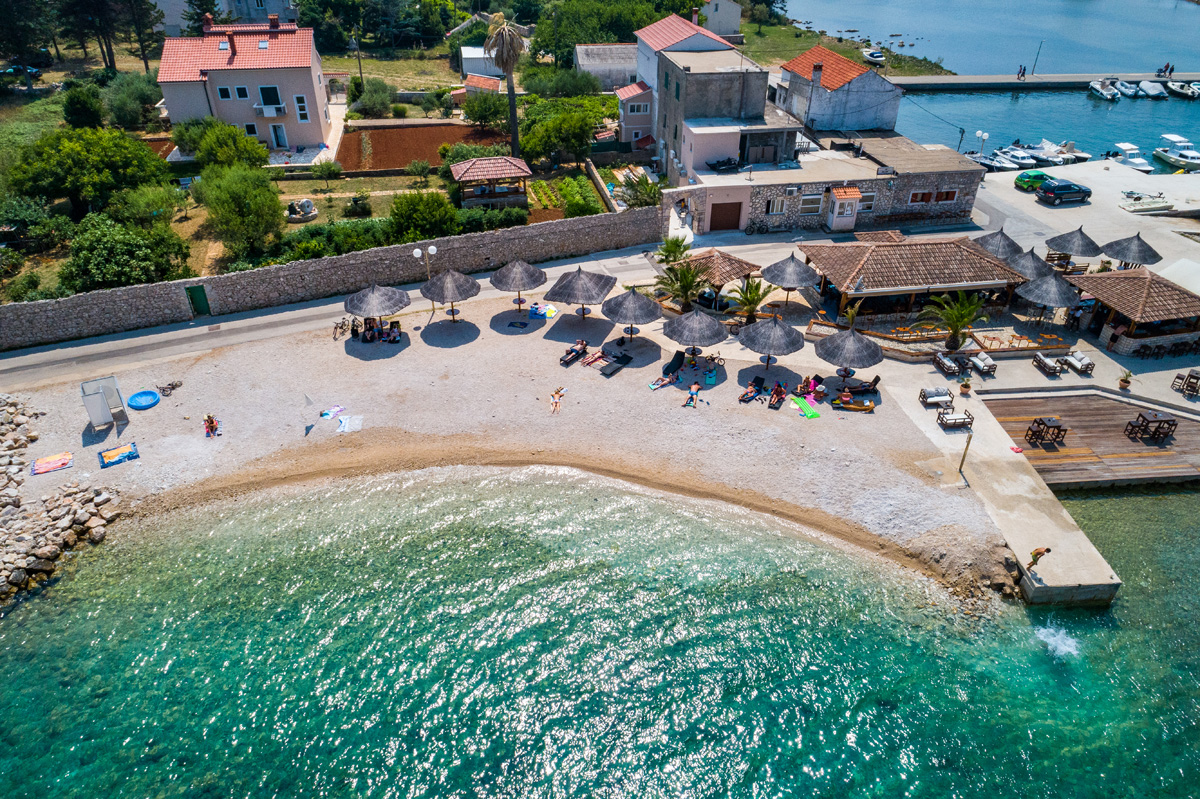
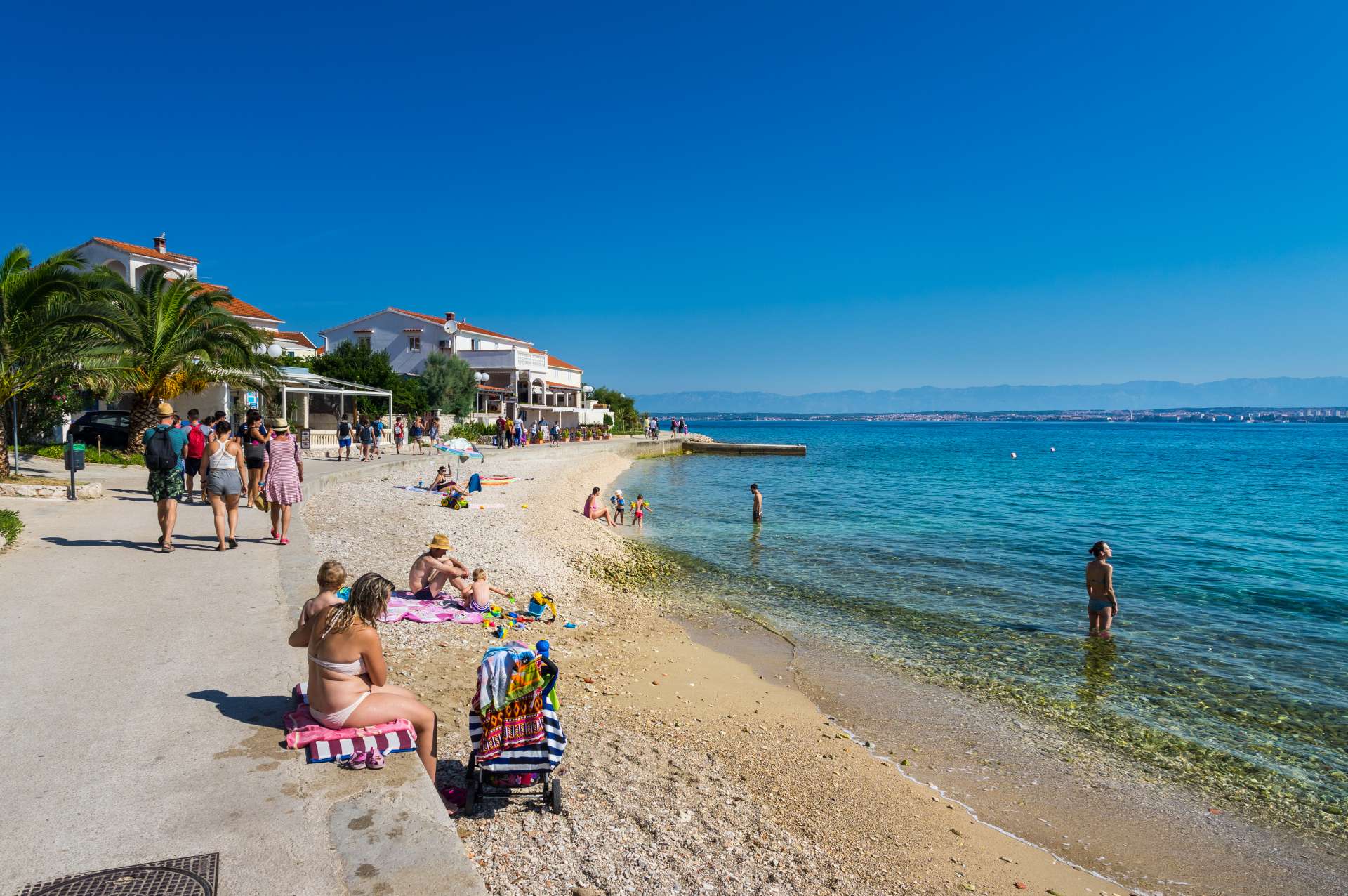
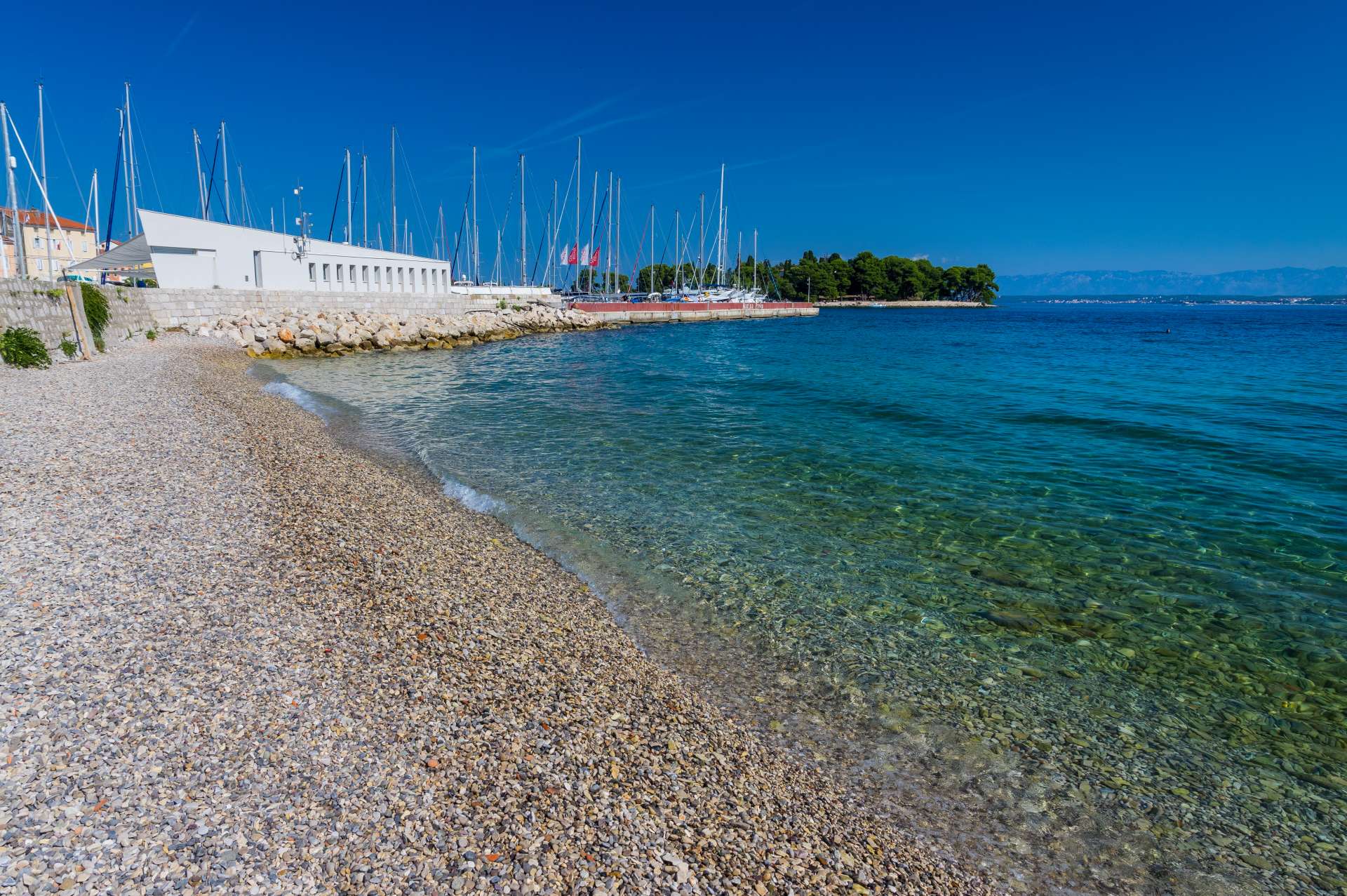
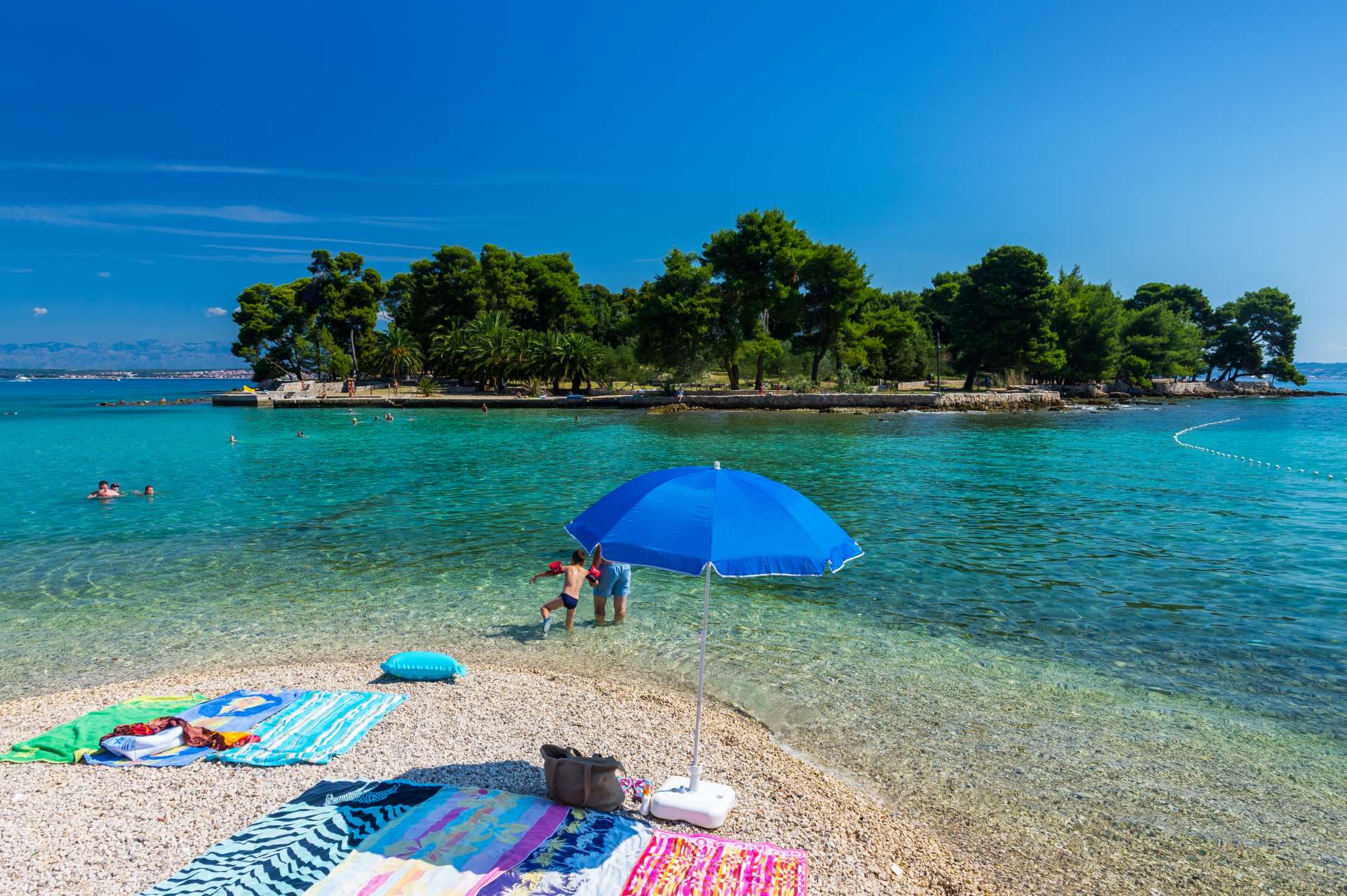
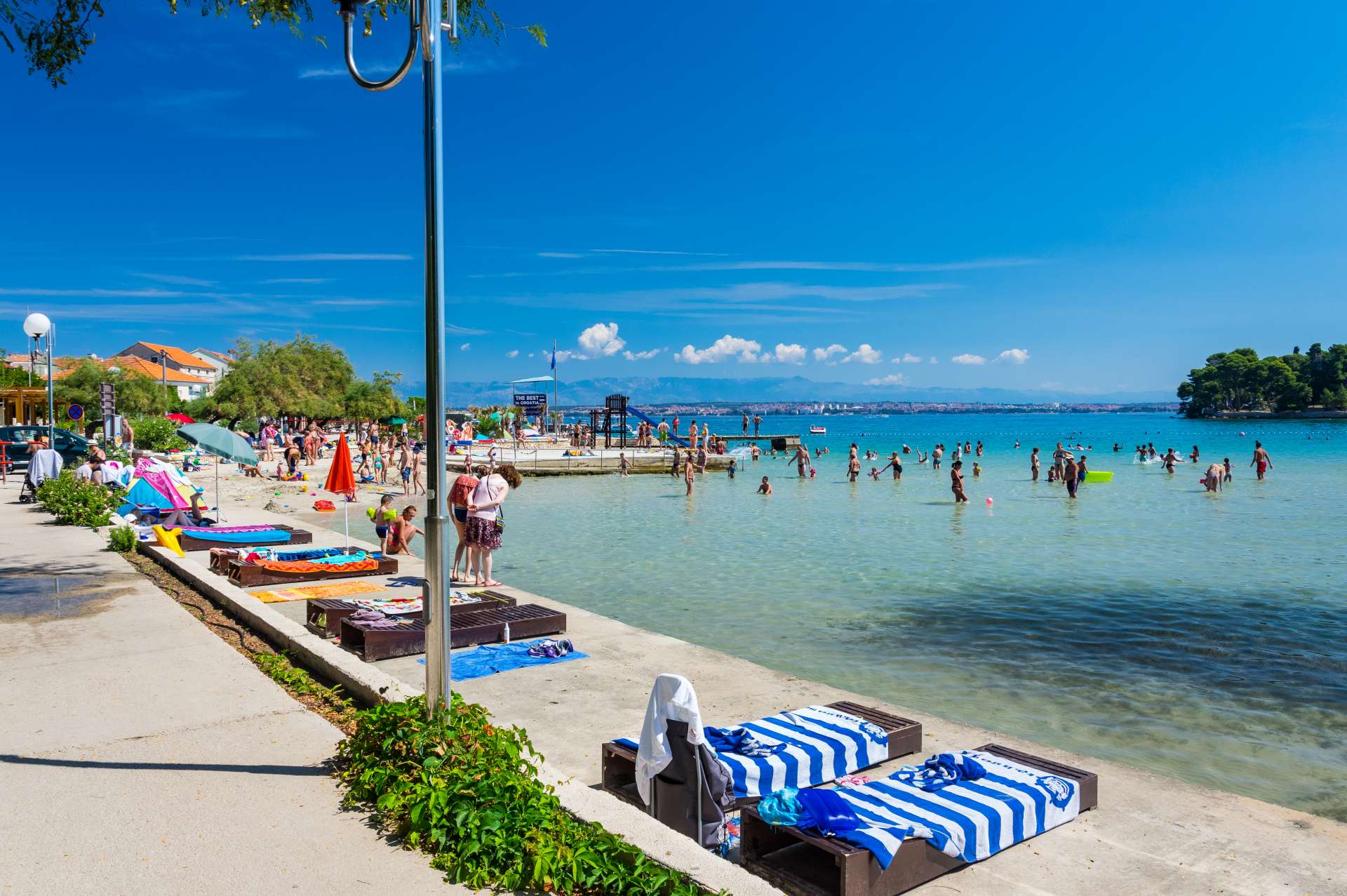
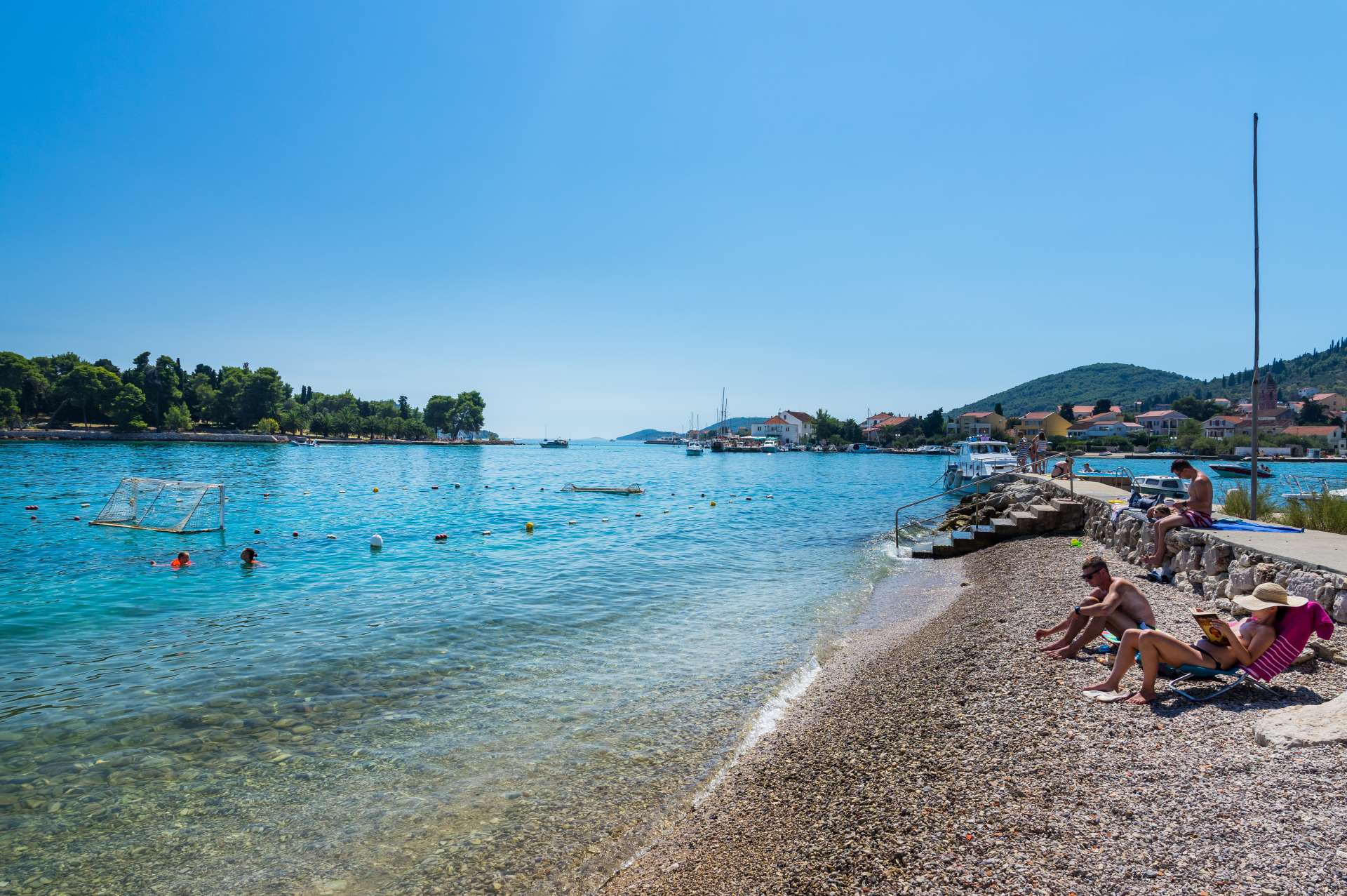
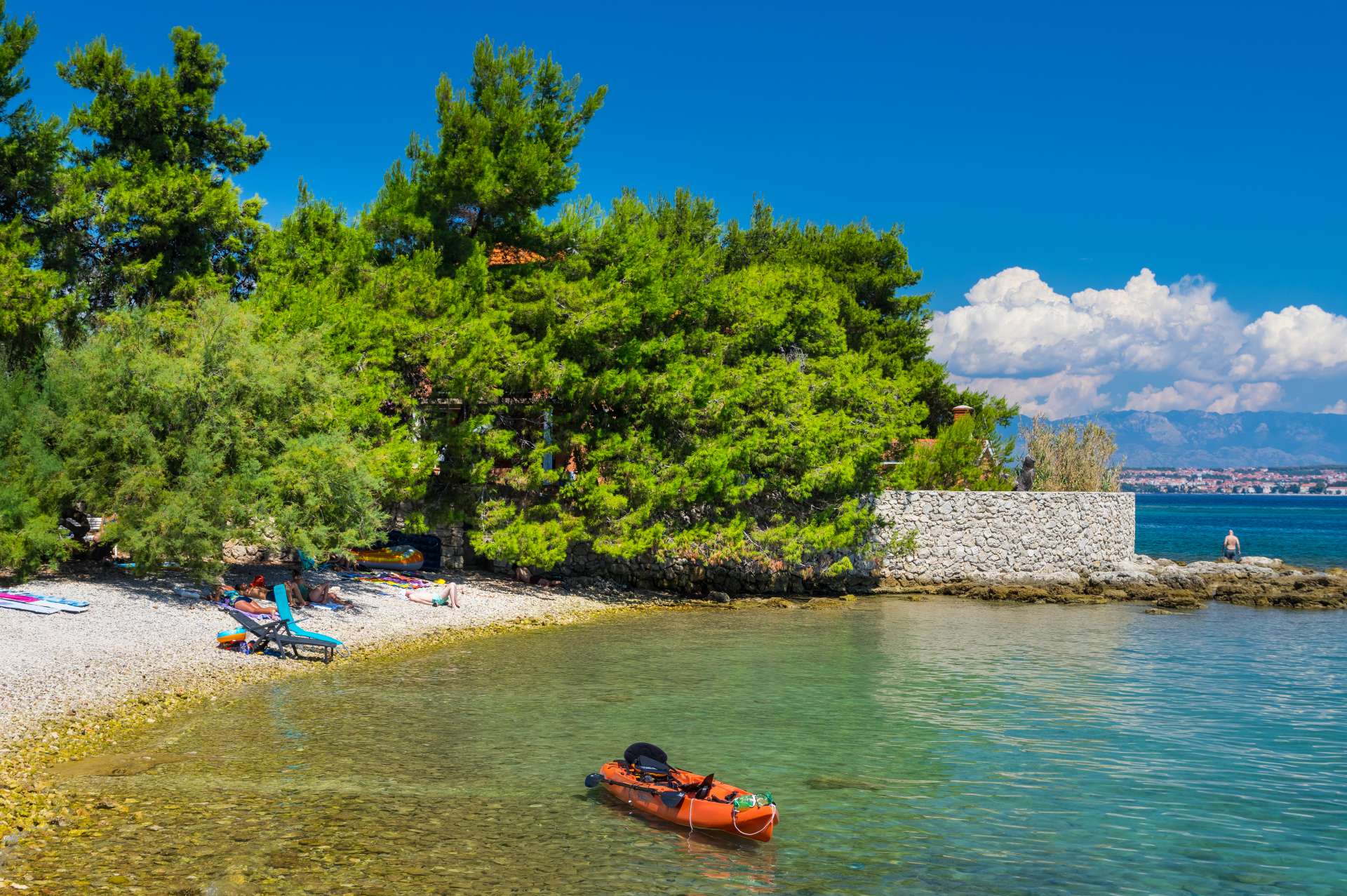
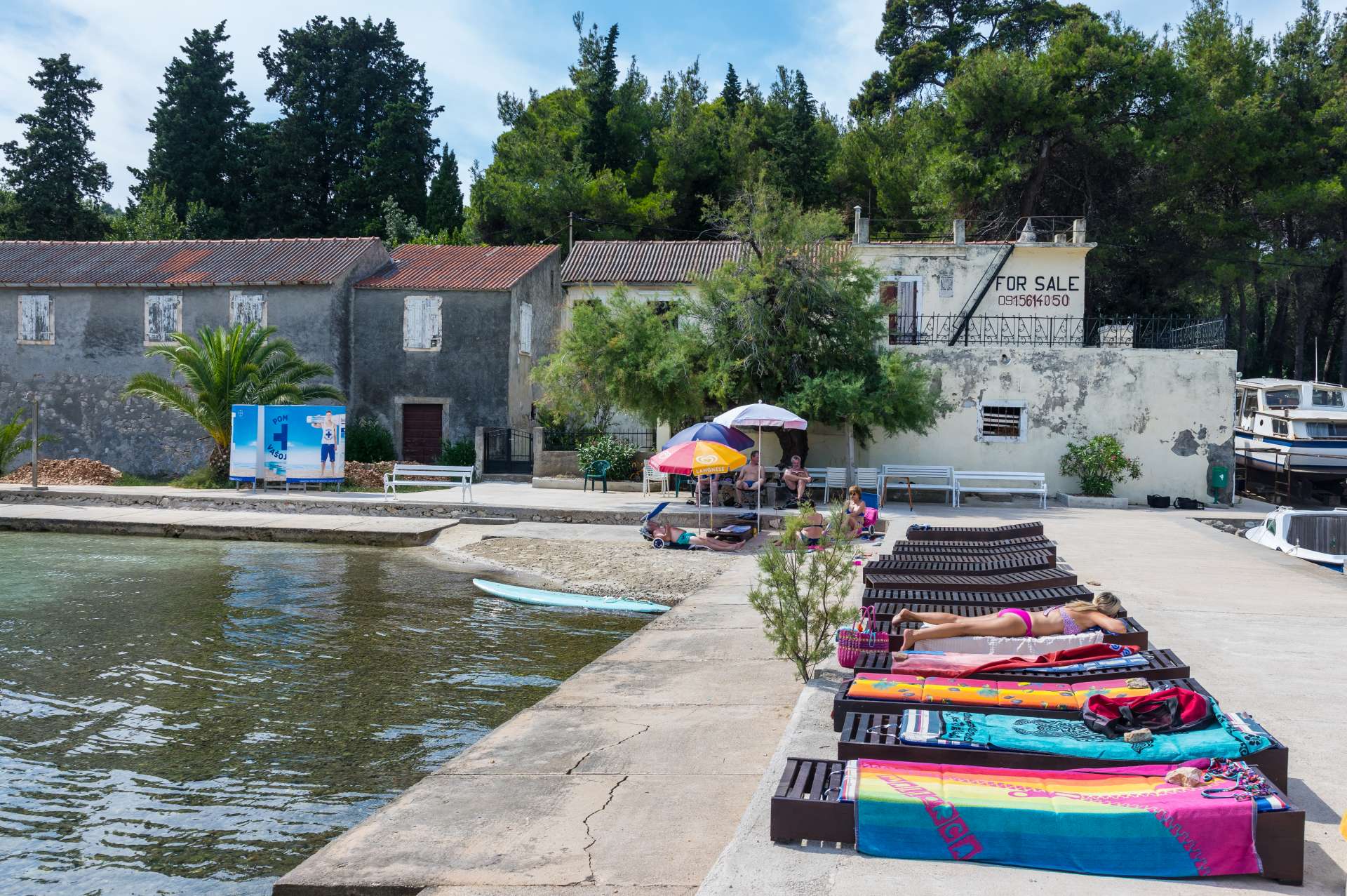
Most of the inhabitants of the island (around 7500) are mainly engaged in olive cultivation, fishing and, of course, tourism. The mild Mediterranean climate (the averige annual temperature is 15°C, approximately 800 mm of rainfall and 2600 hours of sunshine), the azure sea, the rocky and sandy beaches, the numerous nearby islands and islets and the memories of past times make the fertile island Ugljan increasingly desirable for fans of the sea and the islands. The vegetation of the island Ugljan contains all basic features of Mediterranean flora. The typical vegetation of the island are: Mediterranean holm oak, pine trees, cypresses and high macchia, and mostly grown are Mediterranean cultures, dominated by olives and figs.
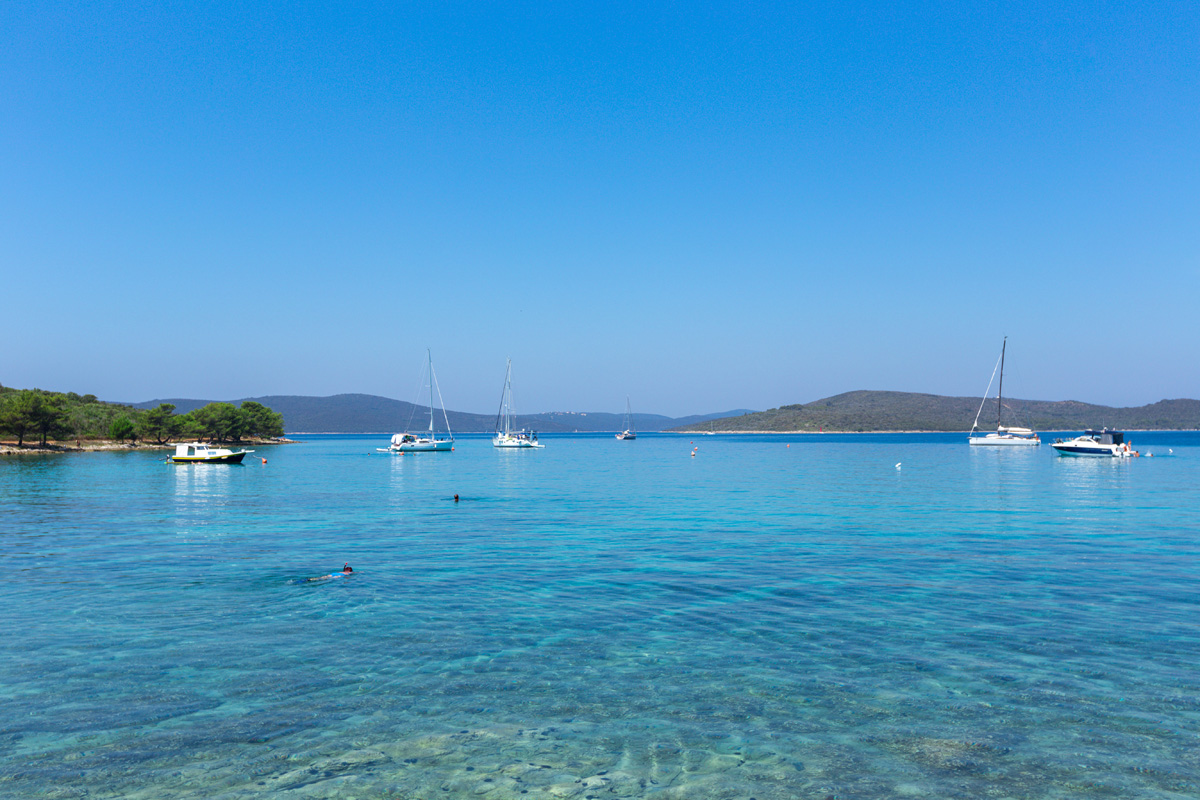
Nothing is more characteristic for the landscape of the island Ugljan than the thousands o f olive trees. Olive groves have the function of ecosystems and they attract numerous singing birds with their microcosm. The ecologically clean undersea of the island Ugljan with the ten adjacent islands is a habitat for numerous species of fish, crabs, shellfish and corals, and it is a true revelation for divers.
Active Tourism
Ferry and boat timetable

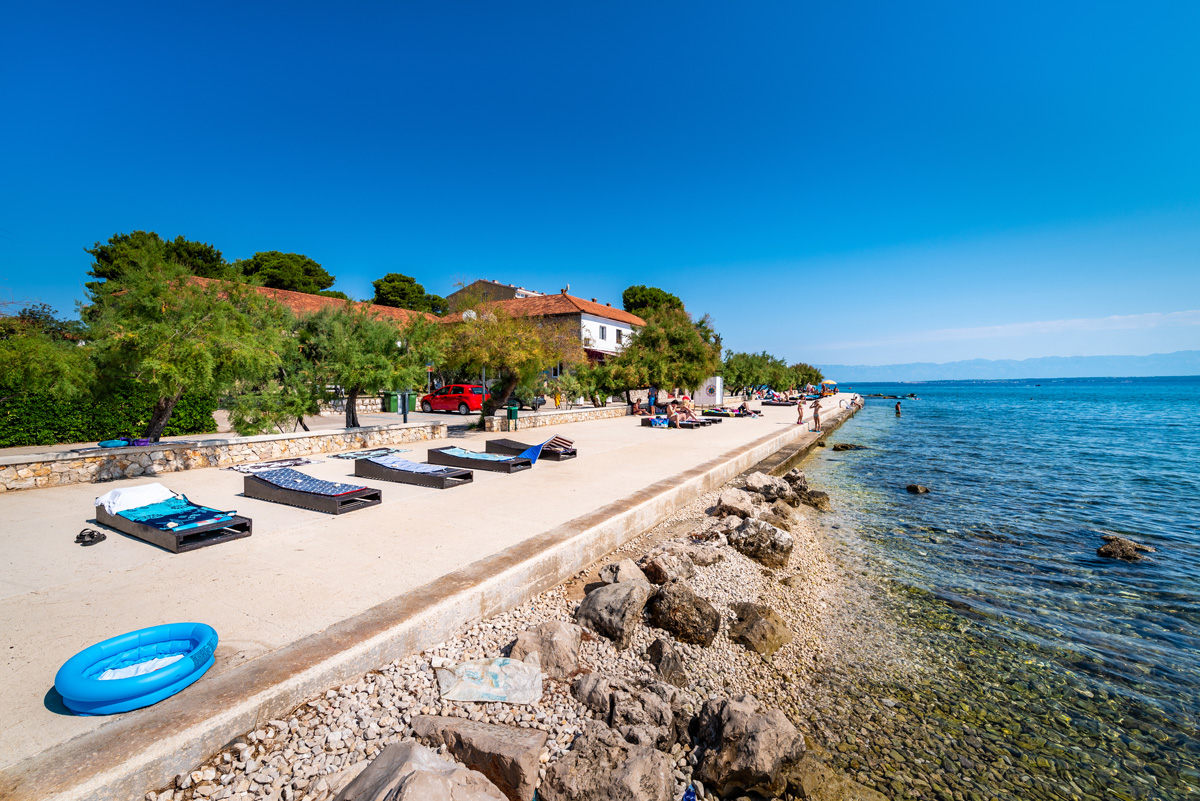
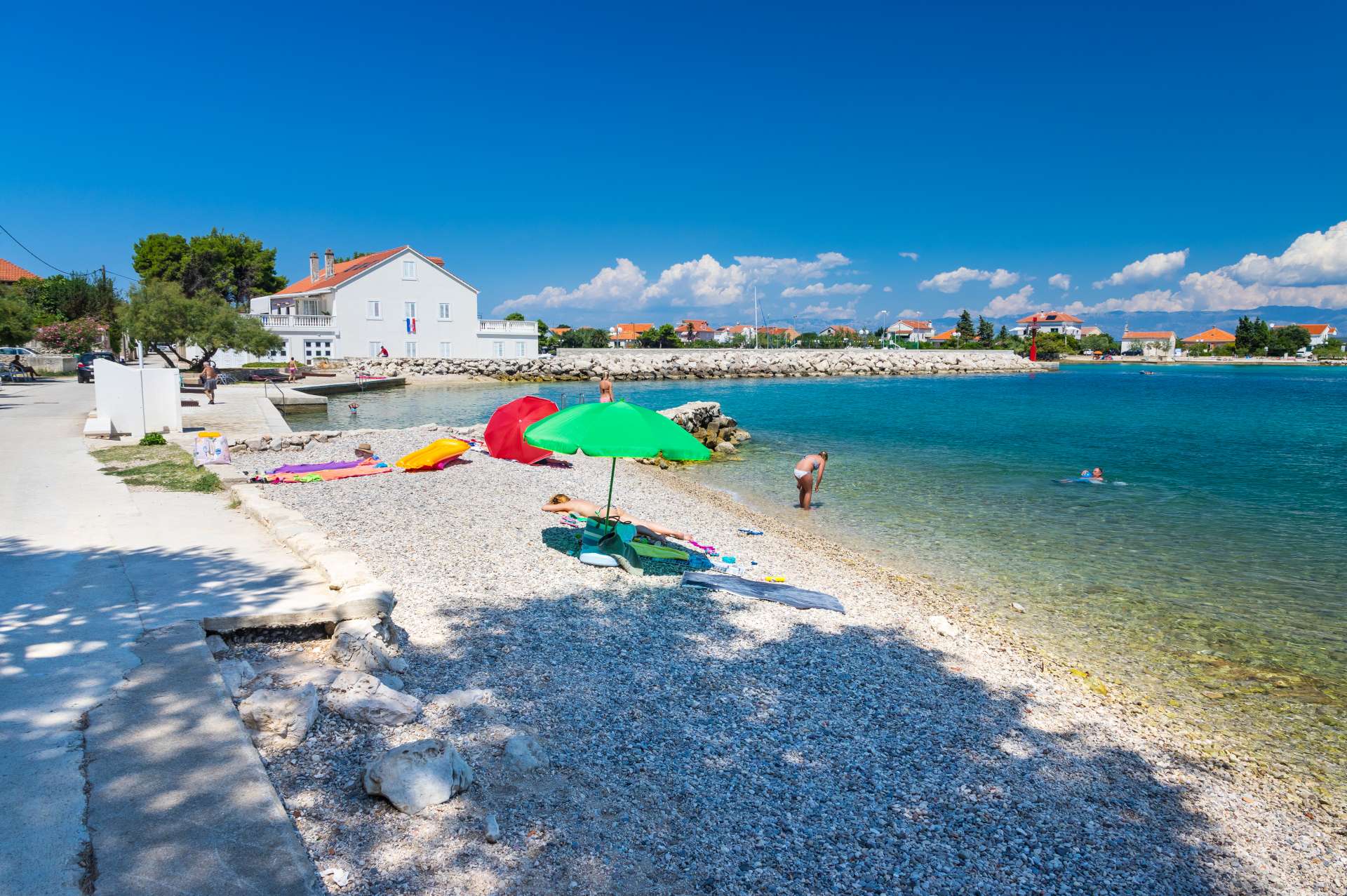
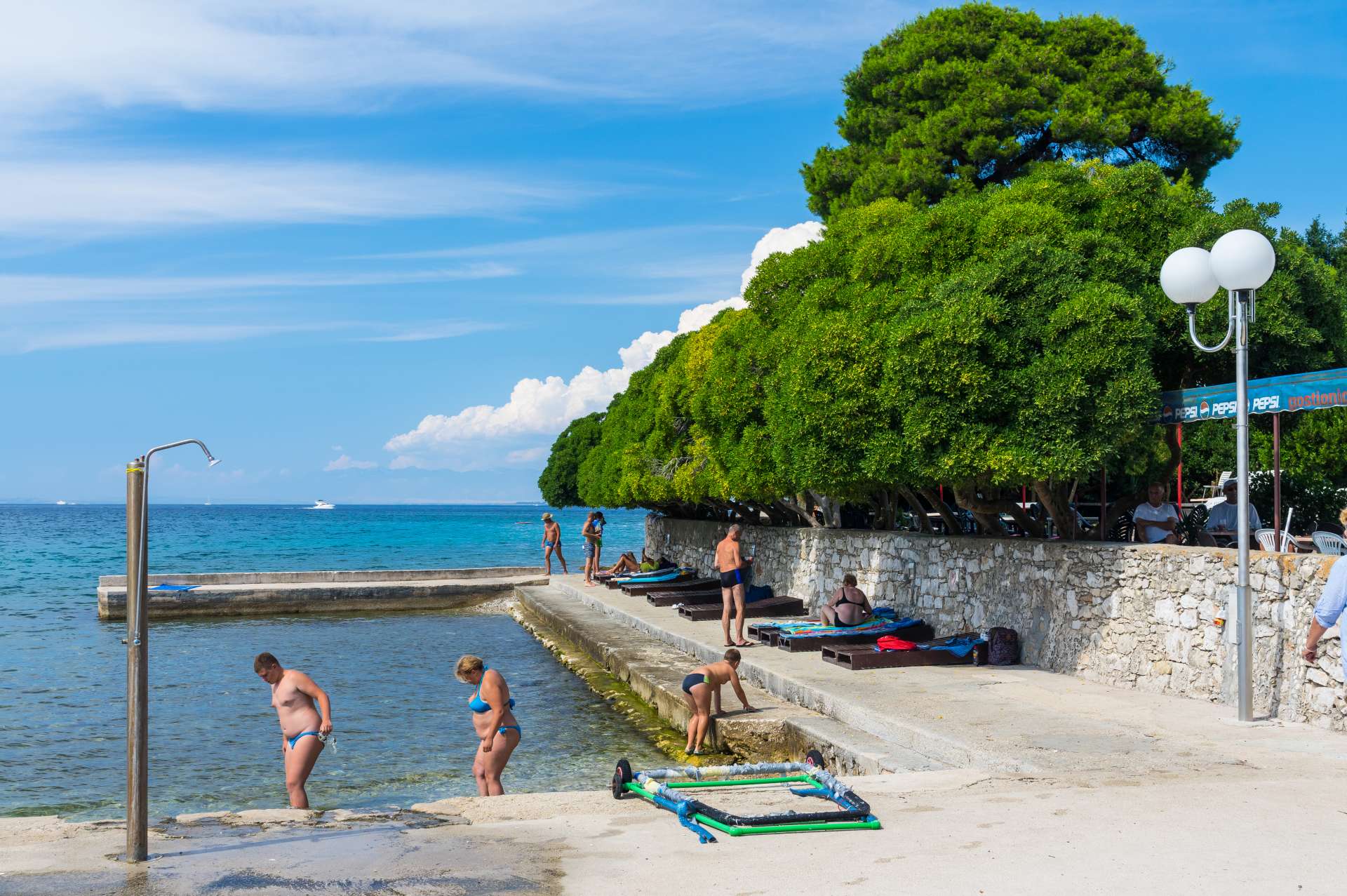
Beaches on Ugljan